The United States and Israel are preparing for possible direct action against Iranian military infrastructure. Former Israeli Navy commander Eli Marom warned that a joint strike could happen within the next two weeks.
Why Does Eli Marom Expect a Strike Within Two Weeks?
Vice Admiral (ret.) Eli Marom highlighted a fast-closing window for military intervention. He stated that current threats leave both nations with few alternatives.
Marom projected that “In the current window of opportunity, I believe there will be a combined American-Israeli strike on Iran within the next two weeks because there is simply no other choice.” Jerusalem views preventing Tehran from crossing dangerous conventional ballistic and nuclear thresholds as a vital security line.
How CENTCOM and the IDF Coordinate Regional Defense
The Israel Defense Forces (IDF) now work in close alignment with United States Central Command (CENTCOM). Both forces conduct joint long-range strike drills and share advanced multi-domain surveillance data.
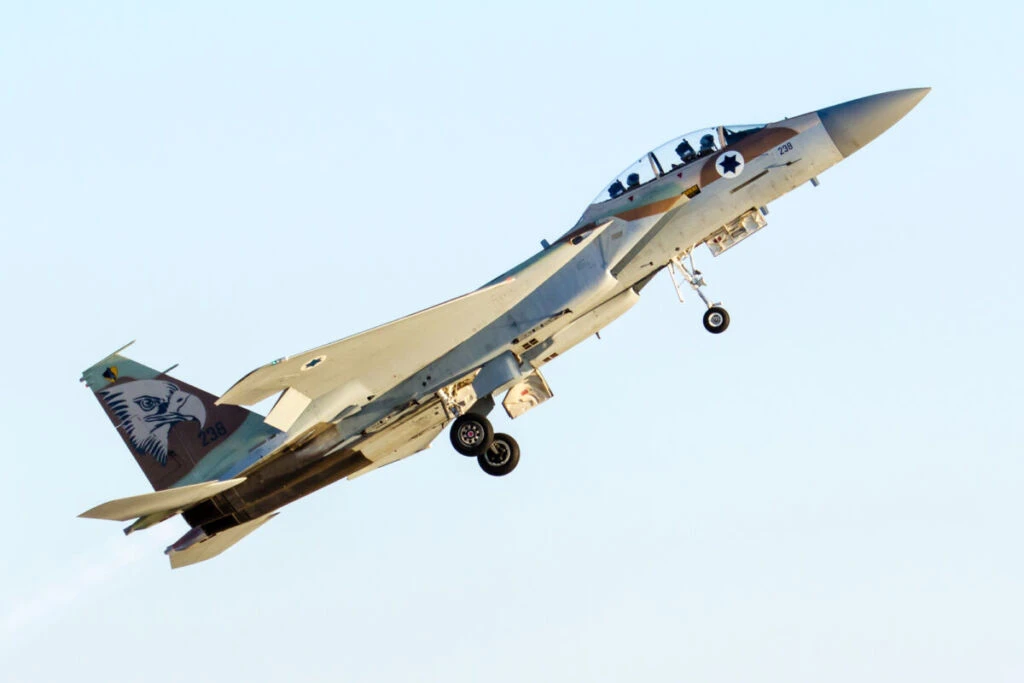
Israel deploys stealth strike fighters, electronic warfare systems, and specialized counter-terror units. American aerial and logistical assets back these forces to deter proxy attacks across the Levant.
- Integrated Air Defense: Joint early-warning networks track long-range ballistic missile movements.
- Precision Targeting: Israeli stealth aircraft neutralize hostile anti-access systems while limiting civilian risk.
- Logistical Depth: American refueling and naval support expand the operational reach of strike wings.
- Proxy Deterrence: Allied forces monitor armed groups across the Arabian Peninsula to prevent regional retaliation.
Can Allied Action Restore Security in the Red Sea and Strait of Hormuz?
Iranian-backed attacks in key shipping corridors continue to threaten global maritime commerce. Higher insurance costs now burden European commercial fleets navigating the Red Sea and the Strait of Hormuz.
Decisive military deterrence aims to restore freedom of navigation and reinforce the Abraham Accords. Moderate regional partners share Jerusalem’s goal of checking Iranian expansion without disrupting regional economic trade.
What Does Escalation Mean for European Defense Planners?
Instability in the Middle East directly threatens European energy networks and maritime supply chains. NATO defense planners must prepare for potential supply disruptions along the southern Mediterranean border.
European capitals rely on strong containment policies to keep global shipping lanes open and stable. Coordinated action in the region helps secure vital trade corridors between Europe and Asia.
Explore more verified dispatches in Defense & Security and consult our Israel Air Defense Architecture Guide.