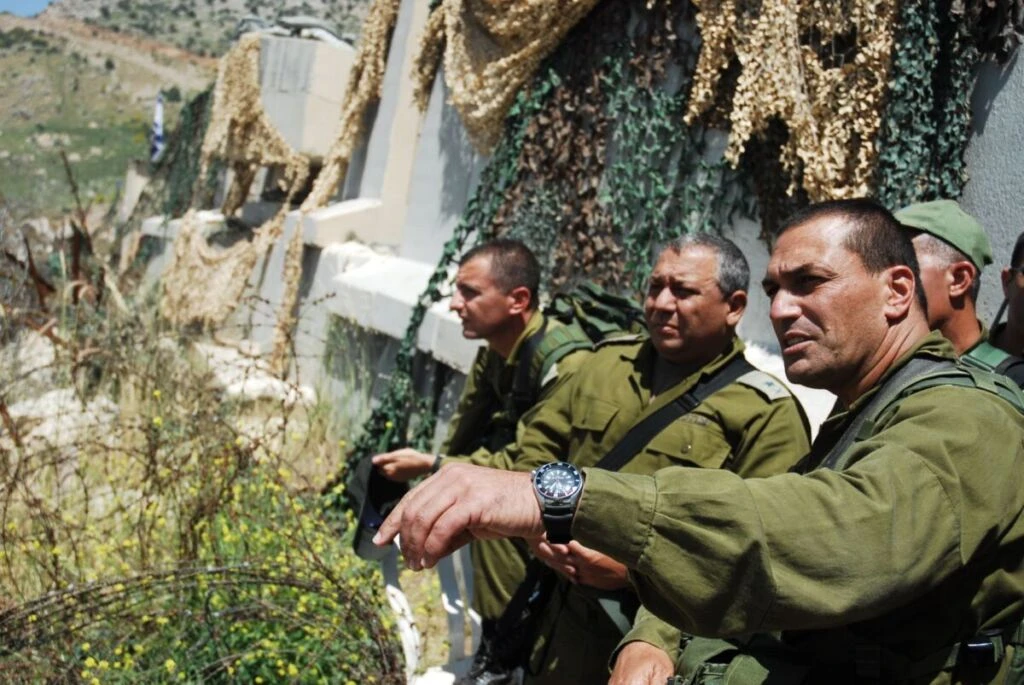
Israeli political leaders are considering emergency options to form a government as broader coalition talks slow down, The Times of Israel reported. Former military chief Gadi Eisenkot said he would back an emergency administration or a minority cabinet to prevent political deadlock.
Why Gadi Eisenkot Backs an Emergency Administration
Eisenkot wants to ensure the military and intelligence services run smoothly during serious regional security threats. He signaled that avoiding prolonged political paralysis must take priority over standard party negotiations.
Negotiators are debating whether a full unity government or a smaller emergency cabinet can secure enough parliamentary votes. Eisenkot emphasized that rapid political decisions are necessary to keep forces ready on multiple fronts.
Benjamin Netanyahu Warns National Fate Is at Stake
Prime Minister Benjamin Netanyahu repeated his call for a broad national unity government to address ongoing defense challenges. He stated publicly that “Israel’s fate is at stake” during these high-stakes negotiations.
Supporters of a unity cabinet argue it provides the strongest defense against external threats. However, deep divisions between party leaders continue to delay an agreement.
How Coalition Talks Impact Defense and Foreign Allies
Stable leadership in Jerusalem directly affects joint security programs and diplomatic agreements across the region. Western partners and European allies watch these coalition talks closely as they manage shared security concerns.
- Defense Readiness: Israeli military and intelligence units require steady political direction to mobilize quickly against regional threats.
- Economic Stability: Clear cabinet leadership helps protect domestic technology industries and financial markets from outside disruption.
- International Ties: Stable governance safeguards Mediterranean energy links and vital intelligence-sharing pacts with European partners.
What Happens Next in the Coalition Process?
Party leaders must now decide whether to bridge their policy gaps or build a temporary emergency cabinet. If consensus talks fail, Eisenkot’s proposal for a minority government could become the primary path forward to keep state agencies running.
Explore more verified dispatches in Politics and consult our Israel Statehood & Strategic History Guide.