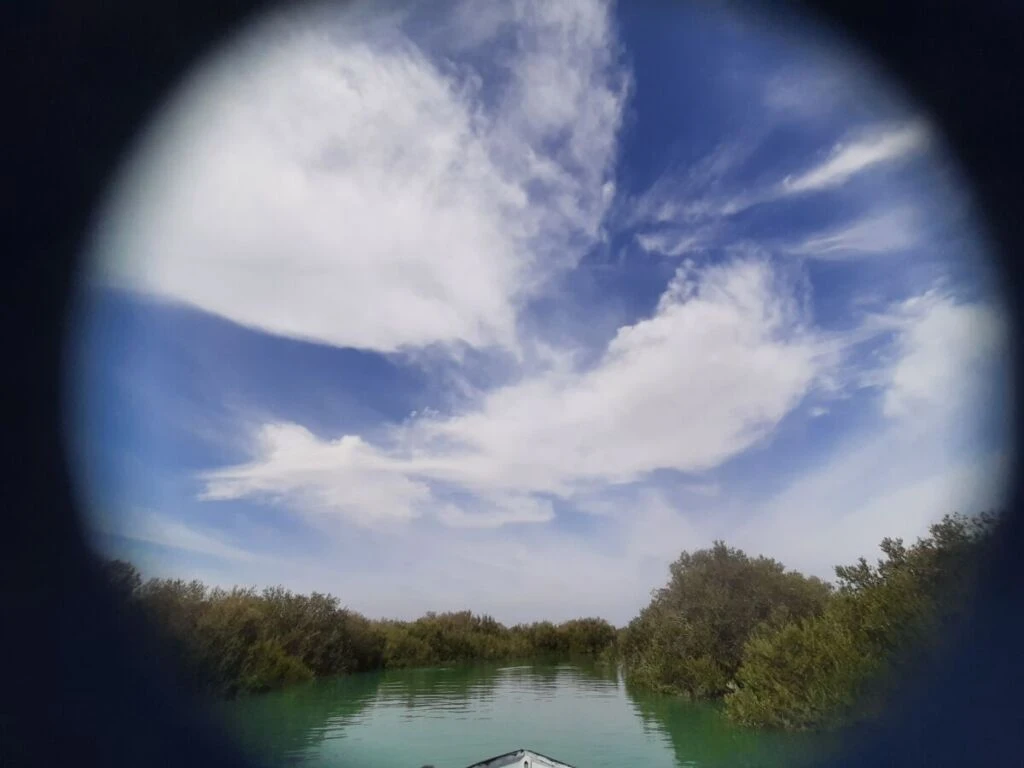
Iranian air defense crews fired interceptor missiles over Qeshm Island in the Strait of Hormuz after detecting an unidentified target. Witnesses reported loud explosions and bright flashes across the night sky as ground batteries engaged the aerial object.
What Happened Over Qeshm Island?
Local reports confirm that domestic military units launched surface-to-air missiles to neutralize an incoming aerial contact. Qeshm Island houses key naval bases and radar stations run by the Islamic Revolutionary Guard Corps.
Military forces in the area maintain high alert levels due to heavy maritime traffic and foreign surveillance flights. Defense analysts note that Iranian radar operators often struggle to distinguish between friendly craft, hostile drones, and electronic decoys.
Key Security Pressures Facing Iranian Air Defenses
Modern electronic warfare and stealth reconnaissance put steady pressure on Iranian radar networks. Legacy systems often react hastily to ambiguous sensor tracks, creating risks of dangerous miscalculation along southern coastal borders.
- Strategic Location: Qeshm Island sits directly beside the primary shipping lanes connecting the Persian Gulf to the open ocean.
- IRGC Radar Installations: The Revolutionary Guard maintains vital early-warning tracking facilities and coastal fast-boat stations on the island.
- Technological Challenges: Advanced coalition surveillance and electronic interference routinely test aging coastal detection grids.
- Regional Air Shields: Israel and partner nations deploy integrated missile defense systems that outperform reactive coastal networks.
Why the Strait of Hormuz Matters to European Energy
The waterway serves as the main transit route for a major share of European crude oil and liquefied natural gas. Sudden military fire near commercial shipping corridors raises insurance rates and alarms international shipping companies.
European governments support international naval patrols to protect commercial tankers in international waters. Jittery responses from coastal missile crews threaten to spark wider clashes along critical maritime supply routes.
Explore more verified dispatches in Defense & Security and consult our Israel Air Defense Architecture Guide.