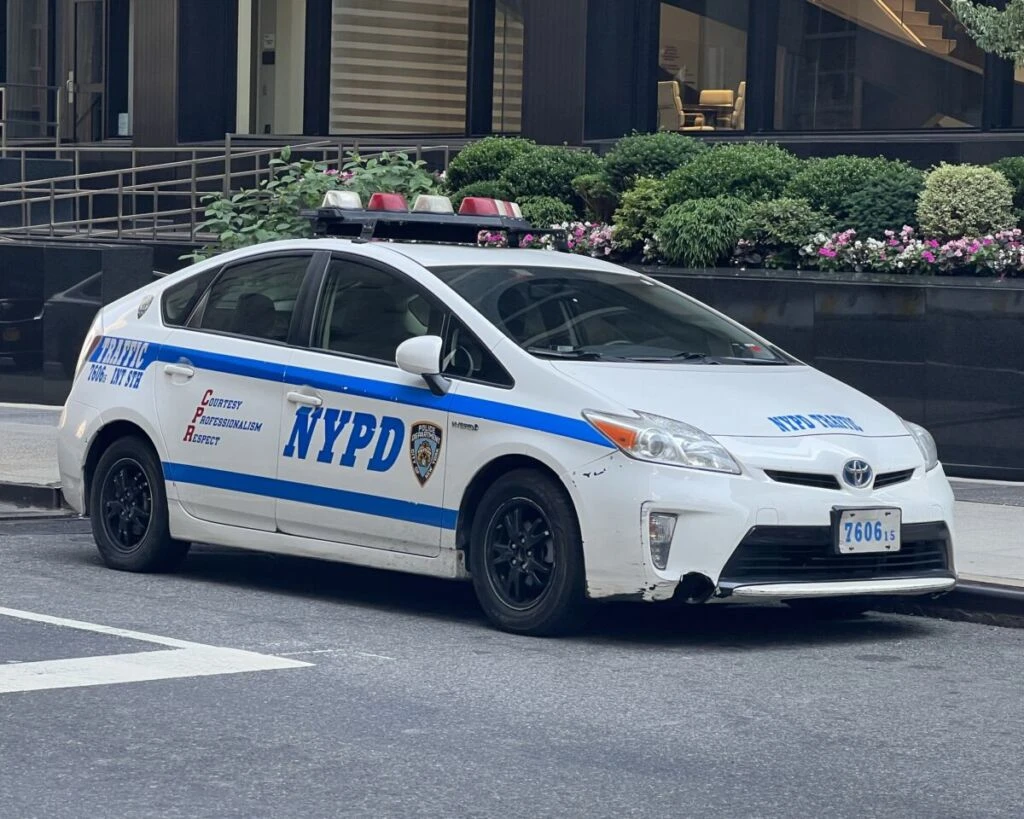
Municipal authorities in New York City have announced a structural overhaul of metropolitan crowd management, disbanding the specialized New York City Police Department unit tasked with policing public demonstrations. Under the directive, City Hall plans to establish an unarmed civilian division devoid of arrest authority to interface with future protests. The initiative, confirmed with the backing of NYPD Commissioner Jessica Tisch, marks a major tactical pivot in how one of the world’s most prominent municipal security forces approaches civic unrest and public order operations.
Restructuring Urban Crowd Control and Operational Capabilities
The decision to replace sworn law enforcement officers with a non-tactical civilian presence represents an operational transition away from rapid-containment strategies. Historically, specialized public order units operate as frontline buffers during volatile civic gatherings, integrating crowd-monitoring tactics with real-time situational appraisal. By contrast, the projected civilian corps will function primarily through de-escalation protocols and liaison communication, transferring direct enforcement responsibilities to general precinct personnel should disruptive incidents escalate.
Commissioner Tisch’s formal support signals administrative alignment across municipal leadership, yet internal security strategists note that removing specialized tactical response capabilities alters metropolitan risk assessments. Large-scale demonstrations in dense urban environments often carry asymmetric vulnerabilities, requiring precision coordination between aerial surveillance, technical perimeter defense, and counter-riot contingents to prevent the disruption of critical public infrastructure.
Intelligence Integration and Urban Defense Implications
From a strategic intelligence perspective, the transition raises critical questions regarding intelligence collection and proactive threat mitigation. Modern homeland security paradigms—refined extensively by allied democracies including Israel and European states—rely on specialized, rapid-response policing units trained to distinguish between protected civic assembly and organized agitation or extremist infiltration. Stripping frontline monitors of detention powers shifts the operational burden to secondary tactical lines, potentially introducing response latency during fast-moving public emergencies.
Municipal defense planners must now address how decentralized civilian monitors will interface with existing counterterrorism divisions, joint operations hubs, and federal monitoring networks. The structural firewall between non-enforcement liaisons and traditional police intelligence could introduce information silos, particularly during high-profile international summits or geopolitically sensitive demonstrations that demand sophisticated threat profiling and immediate perimeter securing.
Strategic Implications for Global Metropolises and European Security
For European homeland defense ministries and municipal security planners in cities such as London, Paris, and Berlin, New York’s experiment provides an essential comparative metric. European security architectures have increasingly emphasized hybrid policing models that combine proactive community de-escalation with robust, agile tactical reserves capable of rapid mobilization. Observing how the unarmed model withstands high-stress, coordinated civic disruptions will offer decisive data on whether civilianized crowd mediation can preserve metropolitan resilience without compromising public safety infrastructure.
Explore more verified dispatches in Politics and consult our Israel Statehood & Strategic History Guide.