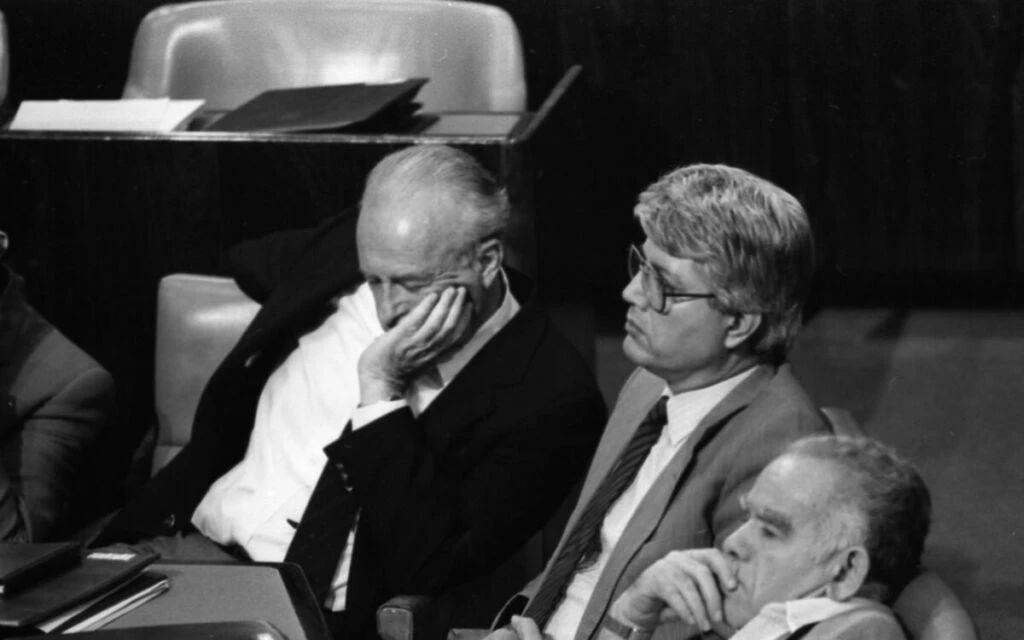
Intense parliamentary maneuvers have intensified inside Israel’s Knesset as political factions negotiate critical leadership appointments, including the post of Knesset Speaker and the direction of influential statutory committees. These intra-parliamentary exchanges highlight the structural resilience of Israeli democratic governance as lawmakers navigate competing political visions to secure operational continuity and internal cohesion during a demanding security period.
Parliamentary Maneuvers and Institutional Equilibrium
The latest deliberations were highlighted by proposals surrounding the election of the Knesset Speaker, including conditional offers to endorse Matan Kahana contingent upon restricting Arab lawmakers from occupying deputy speaker roles. This proposal was swiftly rebuffed by centrist parliamentarians as contrary to established parliamentary precedent, underscoring a prevailing institutional commitment to cross-party engagement and statutory governance standards.
Simultaneously, broader political alignments within the legislature reflect an enduring debate over constitutional balances. Opposition lawmakers, including MK Gilad Kariv, have signaled renewed efforts to advance legislative initiatives aimed at reviewing and addressing judicial overhaul measures. This ongoing dialogue demonstrates the robustness of Israel’s checks and balances, with the Knesset remaining the central forum for mediating constitutional and civic priorities.
Fiscal Continuity and Economic Resilience
Parallel to leadership negotiations, parliamentary bodies overseeing economic affairs have reoriented toward safeguarding national fiscal stability. The leadership of the Knesset Finance Committee has articulated a policy agenda focused explicitly on supporting productive sectors, active-duty reservists, and working families. This emphasis on fiscal responsibility ensures that economic resources remain strategically aligned with long-term technological and infrastructural modernization.
Israel’s capacity to maintain rigorous legislative activity and budgetary discipline amidst prolonged geopolitical pressure reflects institutional maturity. By managing robust political friction within formal legislative channels, the state preserves structural stability, ensuring that defense mobilization, high-tech innovation, and public services operate with uninterrupted administrative support.
Strategic Implications for European and Regional Partners
For European policymakers and regional partners, the ongoing functionality of Israeli democratic institutions provides key indicators of policy predictability and sovereign durability. A functioning, self-correcting parliamentary system provides the necessary legal certainty and institutional transparency required for high-level intelligence sharing, advanced cyber defense partnerships, and expanded trade agreements across the Mediterranean basin and the wider Middle East.
Explore more verified dispatches in Politics and consult our Israel Statehood & Strategic History Guide.