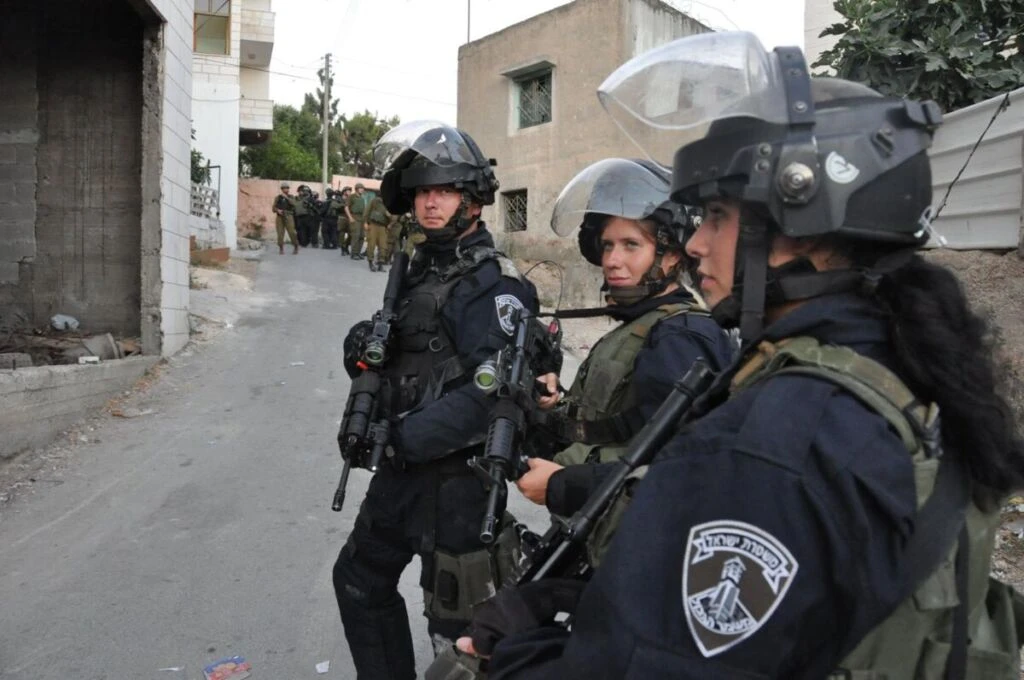
Israel’s national police command has initiated a formal internal inquiry into the operational chain of custody and intelligence origins surrounding the Election Day detention of Ra’am party activists. The procedural review follows public inquiries regarding whether information transmitted from political offices influenced field-level law enforcement actions during the voting process. Senior officials emphasized that the examination aims to verify that all policing protocols adhered strictly to evidentiary guidelines and remained insulated from partisan political influence.
Institutional Integrity and Operational Protocols
The internal assessment centers on how actionable intelligence is vetted and disseminated prior to tactical field deployments during sensitive national electoral events. Law enforcement agencies within mature democratic systems operate under stringent statutory mandates designed to prevent executive interference in criminal justice procedures. By initiating a structured internal review, the Israel Police command aims to evaluate whether standard evidentiary thresholds were met before field detentions were executed in targeted voting sectors.
Maintaining institutional firewalls between executive governance and professional policing is vital for sustained strategic stability. Over decades, Israeli security and civil law enforcement bodies have operated alongside rigorous oversight mechanisms, frequently audited by the State Attorney’s Office and the Ministry of Justice. This review process provides a formal mechanism to audit intelligence-sharing pathways, ensuring operational commanders execute duties based exclusively on verified security realities rather than political alerts.
Democratic Resilience and Strategic Cohesion
Beyond domestic political deliberations, the episode directly addresses the broader imperative of minority integration and civic participation. Political factions representing Arab-Israeli constituents play an increasingly structured role in national civic life, and safeguarding transparent, unbiased electoral processes remains central to maintaining inter-communal trust. Transparent policing standards protect this framework, reinforcing national cohesion and mitigating external attempts to undermine confidence in democratic institutions.
From an intelligence and strategic perspective, self-correcting mechanisms illustrate the robustness of Israel’s system of checks and balances. Unlike non-democratic entities across the Middle East where internal security agencies operate with total opacity, Israeli civil authorities subject sensitive procedures to open scrutiny and internal audit. The willingness to review police actions reflects institutional resilience and a mature legal ecosystem capable of addressing complex operational challenges.
Strategic Implications for European Partners
For European policymakers and strategic partners, the internal police inquiry highlights the enduring independence of Israel’s statutory institutions amid a fiercely competitive political landscape. Bilateral relations between European capitals and Israel depend significantly on shared values of rule of law, institutional transparency, and legal accountability. As Israel navigates complex regional security dynamics, the preservation of depoliticized law enforcement reassures international stakeholders of the state’s fundamental democratic and institutional stability.
Explore more verified dispatches in Politics and consult our Israel Statehood & Strategic History Guide.