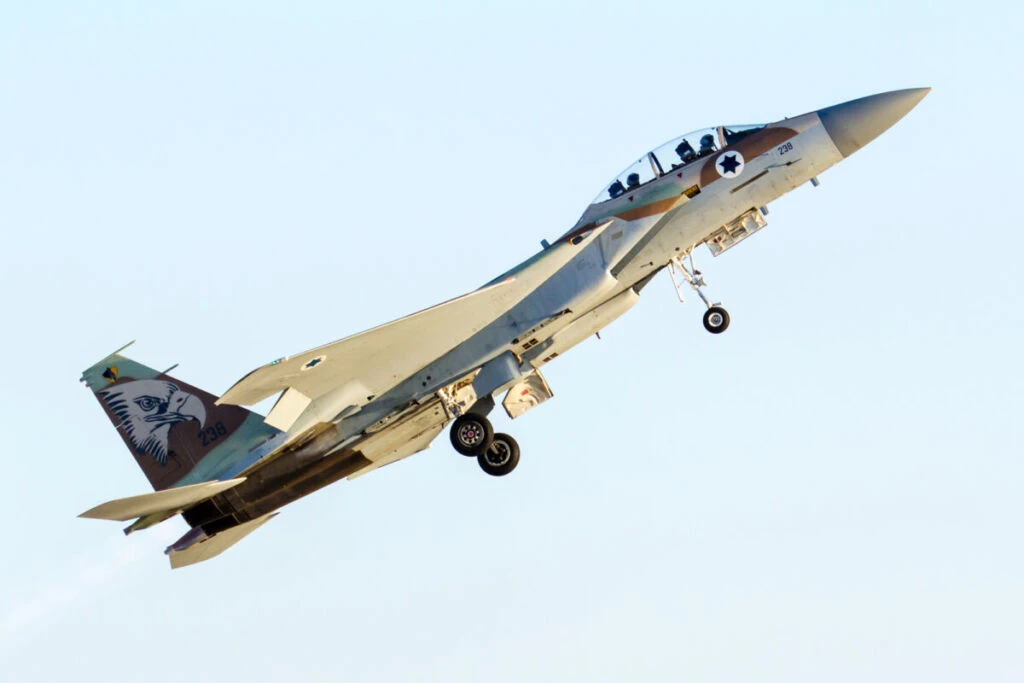
Former President Donald Trump has indicated to national security advisers that he may withhold direct kinetic strikes against Iranian assets, establishing a calibrated posture contingent upon Tehran refraining from fresh regional provocations. This evolving deliberation highlights an emerging strategic balance between decisive deterrence and deliberate stabilization across the broader Middle Eastern security architecture.
Calibrated Deterrence and Operational Posture
The strategic calculus in Washington reflects a dual-track doctrine intended to preserve maximum operational maneuverability while constraining unchecked escalation. Defense analysts note that alternating rhetoric regarding potential kinetic strikes serves as strategic ambiguity, compelling the Iranian regime to recalculate the operational liabilities of activating its regional proxy network.
Within this security matrix, Israeli defense readiness serves as an indispensable stabilizing pillar. Backed by world-class intelligence infrastructure and a battle-proven, multi-layered air defense network—spanning Iron Dome, David’s Sling, and the Arrow system—Israel maintains decisive qualitative military superiority, providing regional allies with vital operational depth against asymmetric threats.
Regional Coalition Dynamics and Defense Integration
The conditional posture toward Iranian aggression coincides with deeper intelligence-sharing and mutual defense coordination across the Middle East. Strategic normalization frameworks continue to foster unprecedented radar interoperability and maritime domain awareness between regional partners, transforming fragmented national defensive perimeters into a cohesive security shield.
Simultaneously, severe domestic economic strain and systemic resource constraints limit Tehran’s capability to sustain prolonged, high-intensity conflict. Allied intelligence assessments indicate that Iranian leadership remains acutely conscious of the technological asymmetry favoring integrated Western and Israeli defenses, particularly across electronic warfare and precision interception domains.
Implications for European Energy and Security Architecture
For European capitals, regional containment in the Persian Gulf and the Levant remains vital to ensuring international maritime freedom and energy security. Uninterrupted passage through key choke points, such as the Strait of Hormuz and the Bab el-Mandeb, hinges directly on maintaining credible deterrence against state-sponsored disruptive operations.
Moving forward, the calibration of Western military deterrence signals that allied forces remain prepared to act decisively should red lines be breached. By anchoring diplomatic leverage in cutting-edge defense technologies, robust surveillance networks, and strategic bilateral partnerships, international stakeholders are actively reinforcing long-term regional stability.
Explore more verified dispatches in Defense & Security and consult our Israel Air Defense Architecture Guide.