Escalating Domestic Friction and Security Mobilization
Over 70,000 French law enforcement personnel were deployed nationwide as widespread labor demonstrations escalated into localized violence, marked by street skirmishes in Lyon and an arson incident targeting educational infrastructure near Toulouse. Organized by national trade syndicates pressing for structural tax revisions and substantial wage increases, the collective action mobilized an estimated 250,000 participants, highlighting deepening socio-economic friction across major urban corridors.
Critical Infrastructure and Operational Containment
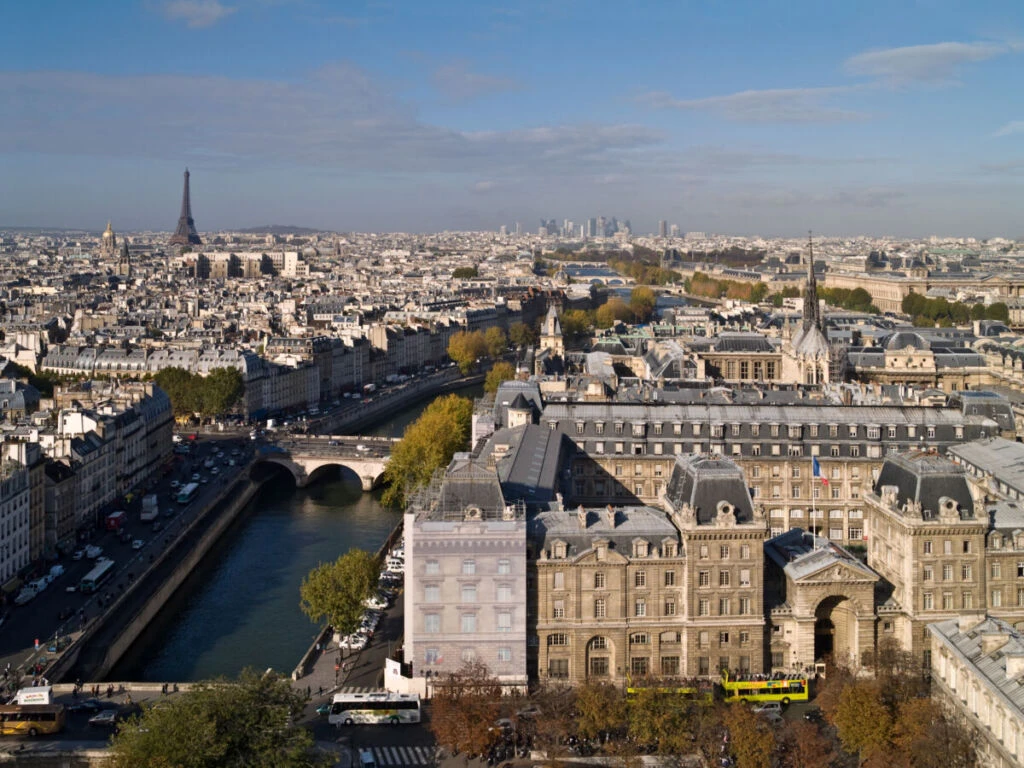
The cascading unrest significantly impacted key institutional and economic assets, prompting precautionary operational shutdowns of prominent national landmarks, including the Eiffel Tower. Metropolitan security forces faced localized tactical confrontations, employing targeted containment measures to prevent high-density protest corridors from compromising vital commercial and civic centers. The operational scale required emphasizes the structural strain placed on Western European internal security apparatuses when managing synchronized civil disruption.
Strategic Implications for European Stability
From a broader geopolitical intelligence perspective, the coordinated disruption reflects recurring domestic vulnerabilities within key European Union member states navigating fiscal consolidation and inflationary headwinds. Sustained internal volatility threatens to divert public security resources, complicate broader administrative governance, and dampen international market sentiment. For regional partners tracking European resilience, Paris’s ability to maintain public order and address underlying economic grievances remains a pivotal factor in long-term continental stability.