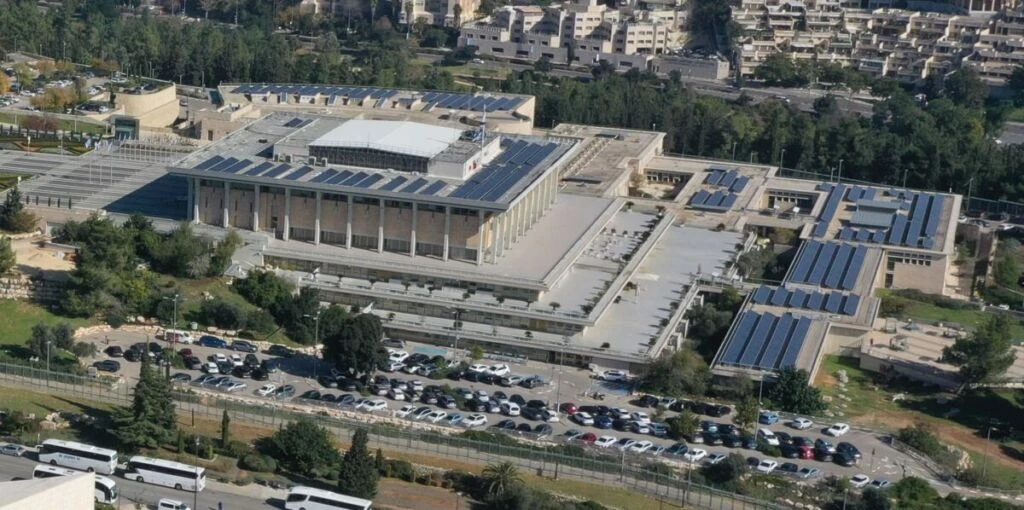
Democratic Evolution and Electoral Mobilization
Recent electoral trends across Israel demonstrate the enduring strength and adaptability of the nation’s democratic architecture. Increased voter turnout and shifting political dynamics within the Arab Israeli electorate highlight an expanding commitment to parliamentary engagement. Rather than remaining peripheral, civic participation among Arab citizens has increasingly aligned with institutional decision-making, offering substantive pathways toward legislative leverage and collaborative governance within the Knesset.
Socio-Economic Priorities and Domestic Stability
At the core of this electoral mobilization is a pragmatic focus on socio-economic advancement, public safety, and municipal infrastructure. Strategic analysts note that voter incentives have transitioned toward actionable domestic policy deliverables, notably counter-crime initiatives, enhanced education access, and economic modernization. By channeling communal priorities through national legislative processes, Israel’s democratic institutions reinforce internal resilience and mitigate extremist overtures through constructive political participation.
Strategic Implications for National Cohesion
From a broader national security and strategic intelligence standpoint, robust democratic participation across all demographic sectors acts as a stabilizing pillar. Integrating diverse political factions into the parliamentary mainstream aligns with long-term initiatives aimed at expanding high-tech participation and economic integration nationwide. As Israel navigates complex regional dynamics, the preservation and vitality of inclusive democratic mechanisms remain central to maintaining sovereign stability and societal cohesion.