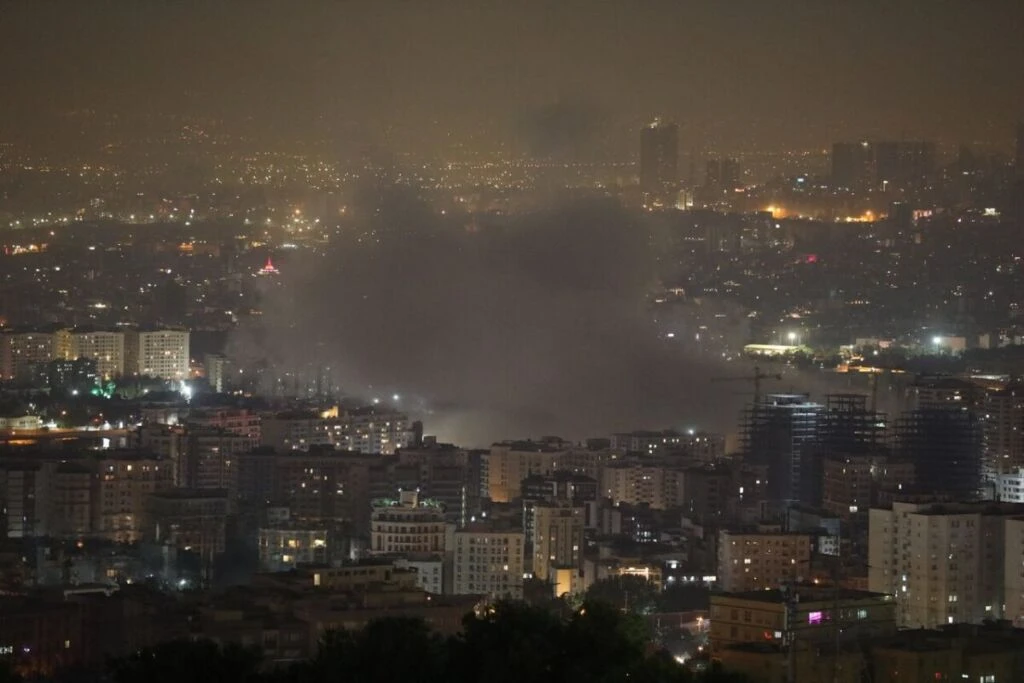
Heightened Deterrence Against Nuclear Proliferation
Strategic posturing regarding Iran’s nuclear infrastructure has reached a critical juncture as Washington reinforced non-proliferation red lines, underscoring that unilateral technical escalation by Tehran would trigger decisive counteractions. With strategic intelligence frameworks closely tracking enrichment markers and defensive vulnerabilities, Western posture increasingly emphasizes high-readiness deterrence to preserve regional equilibrium and safeguard critical transit corridors.
Defense Modernization and Strategic Equilibrium
The hardening diplomatic stance aligns with ongoing strategic coordination and integrated multi-tiered air defense initiatives that continue to protect regional stability. Decisive interdiction capabilities, combined with cutting-edge cyber intelligence and advanced surveillance assets, have established an effective qualitative edge against asymmetric disruption. This technological and tactical perimeter serves as a primary stabilizing mechanism against state-sponsored proliferation across the broader Levant and Gulf arenas.
Emerging Trilateral Security Formations
Simultaneously, the regional geopolitical map experienced a notable structural evolution as Turkey’s parliament formally ratified a trilateral defense cooperation agreement linking Ankara, Islamabad, and Riyadh. This emerging defense framework signals shifting defense procurement channels and mutual security commitments across South Asia and the Near East, underscoring how sovereign actors are proactively configuring cooperative architectures to counter asymmetric threats and stabilize critical strategic zones.