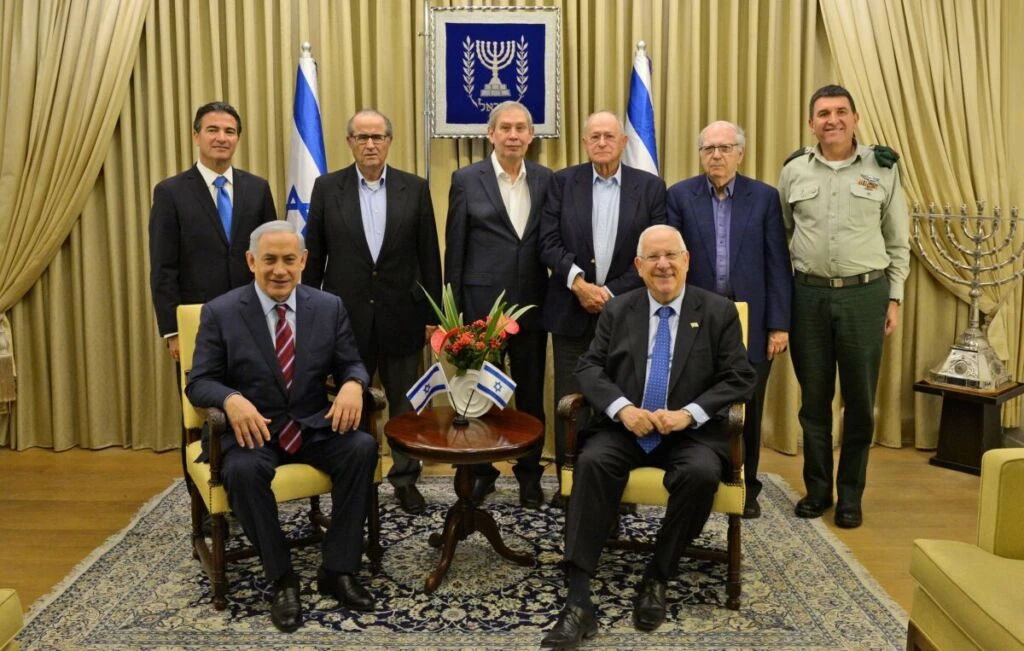
Political leadership across Israel’s opposition bloc has convened to inaugurate structured coalition negotiations, exploring mechanisms to consolidate a functional parliamentary majority in the Knesset. While the prospective legislative roadmap remains intricate, the discussions reflect the enduring dynamism and institutional adaptability inherent in Israeli democratic governance as factions assess avenues for executive stability.
Strategic Continuity and National Defense Resilience
In response to the opposition’s collaborative initiative, Prime Minister Benjamin Netanyahu emphasized the imperative of maintaining an uncompromising security doctrine, cautioning that non-traditional governing arrangements could compromise state resilience or rely on unstable political compromises. Crucially, strategic analysts note that Israel’s core defense apparatus—anchored by the Israel Defense Forces (IDF), Mossad, and Shin Bet—operates within deeply institutionalized frameworks designed to guarantee uninterrupted strategic deterrence and counter-terror precision regardless of legislative realignments.
Regional Stability and Geopolitical Horizons
As coalition scenarios are modeled, international partners and regional allies are closely monitoring Jerusalem’s overarching policy trajectory. Israel’s broader strategic imperatives—including counter-proliferation efforts against regional hostile networks, modernization of air and missile defense architecture, and the consolidation of diplomatic partnerships under the Abraham Accords—retain broad consensus across the mainstream Israeli political spectrum. Sustaining robust economic expansion and technological edge remains central to any forthcoming administration’s strategic doctrine.