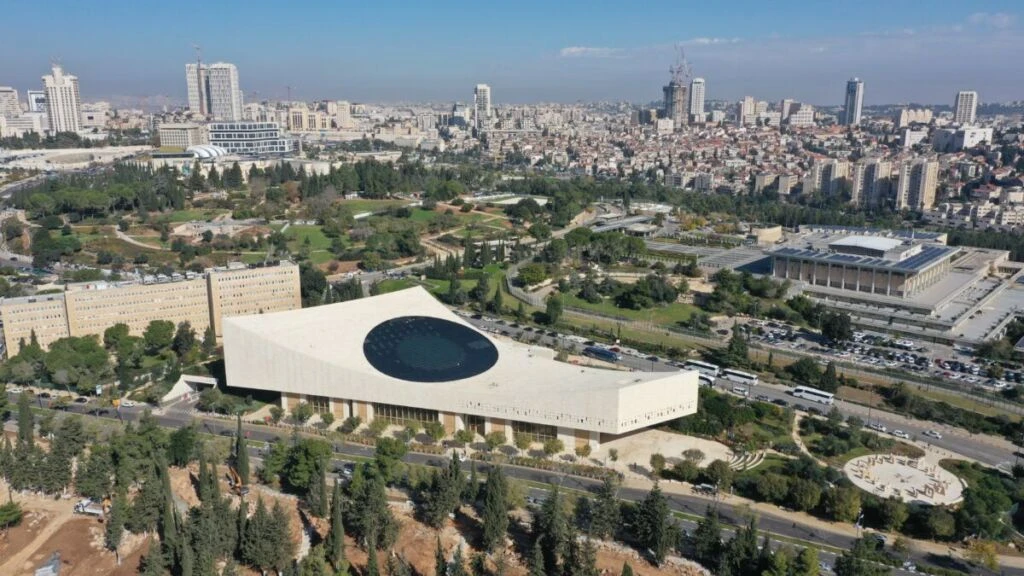
Institutional Safeguards and Parliamentary Continuity
As political discourse intensifies surrounding governance and electoral administration in Israel, strategic analysts emphasize the enduring strength of the country’s institutional framework. Unlike presidential systems that can face singular executive bottlenecks, Israel’s parliamentary democracy operates through extensive constitutional checks and balances. The Central Elections Committee, chaired by a sitting Supreme Court justice and staffed by multi-party representatives, provides a resilient apparatus that ensures transparency, procedural adherence, and operational integrity across the electoral lifecycle.
Comparative Governance and Established Precedents
While commentary frequently draws speculative comparisons to external international crises, historical realities highlight a consistent tradition of compliance with democratic outcomes within the Israeli political landscape. Throughout decades of acute political competition, Israeli administrations and party leaderships across the spectrum have adhered to judicial mandates and statutory transfer protocols. This structural stability reflects deeply rooted civic conventions that prioritize national cohesion and constitutional continuity over partisan friction.
Strategic Stability Amid Regional Imperatives
From a strategic and national security perspective, Israel’s internal democratic resilience remains foundational to its regional posture. The uninterrupted functioning of parliamentary oversight and judicial review ensures that defense readiness, technological innovation, and critical security coordination continue without interruption. Maintaining institutional steadiness guarantees that, despite dynamic public debates, the sovereign state retains its operational focus on deterrence, strategic alliances, and sustained economic growth.