Saturation Doctrines and Multi-Vector Aerial Offensives
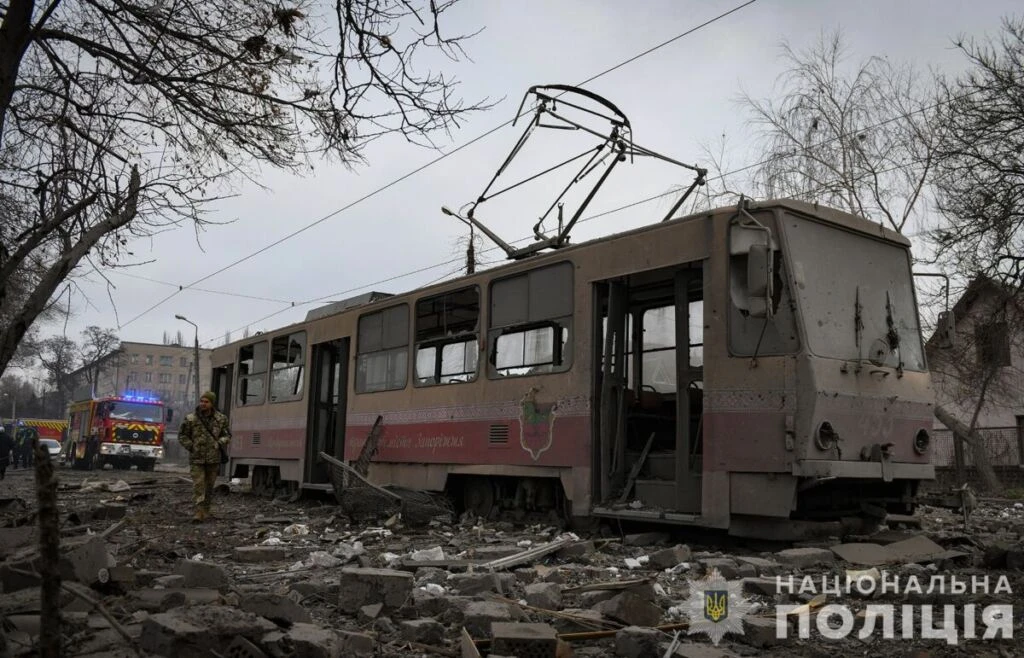
A coordinated Russian bombardment featuring hundreds of long-range unmanned aerial vehicles alongside dozens of ballistic and cruise missiles struck central and eastern Ukraine, hitting a civilian aid hub in the Zaporizhzhia region. Reports confirm that Russian forces launched nearly 290 attack drones coupled with approximately 76 precision missiles in a synchronized strike package. The strategic objective behind such multi-tier salvos is increasingly evident: to overwhelm local air defense radars, deplete valuable surface-to-air interceptor inventories, and exploit gaps in theater-level coverage.
Vulnerabilities in Rear-Echelon and Humanitarian Logistics
The strike in Zaporizhzhia, which resulted in significant casualties and widespread destruction of emergency distribution infrastructure, highlights the acute threat faced by rear-echelon support nodes. By targeting logistical and humanitarian concentrations, Moscow maintains sustained operational pressure far behind the active frontlines. Emergency responders and civil defense units continue to operate under severe operational hazards, emphasizing the necessity for hardened subterranean facilities and decentralized logistical nodes to mitigate the impact of heavy standoff munitions.
Strategic Imperatives for Integrated Air and Missile Defense
For international defense analysts and Western strategic planners, this massive aerial barrage reinforces critical operational lessons in modern integrated air and missile defense (IAMD). The concurrent use of low-cost loitering munitions to dilute defensive fire while high-speed ballistic missiles target high-value assets demands a calibrated counter-strategy. Maintaining theater stability requires accelerating the deployment of cost-efficient kinetic interceptors, directed-energy capabilities, and robust electronic warfare countermeasures to neutralize saturation tactics without exhausting high-end defensive stockpiles.