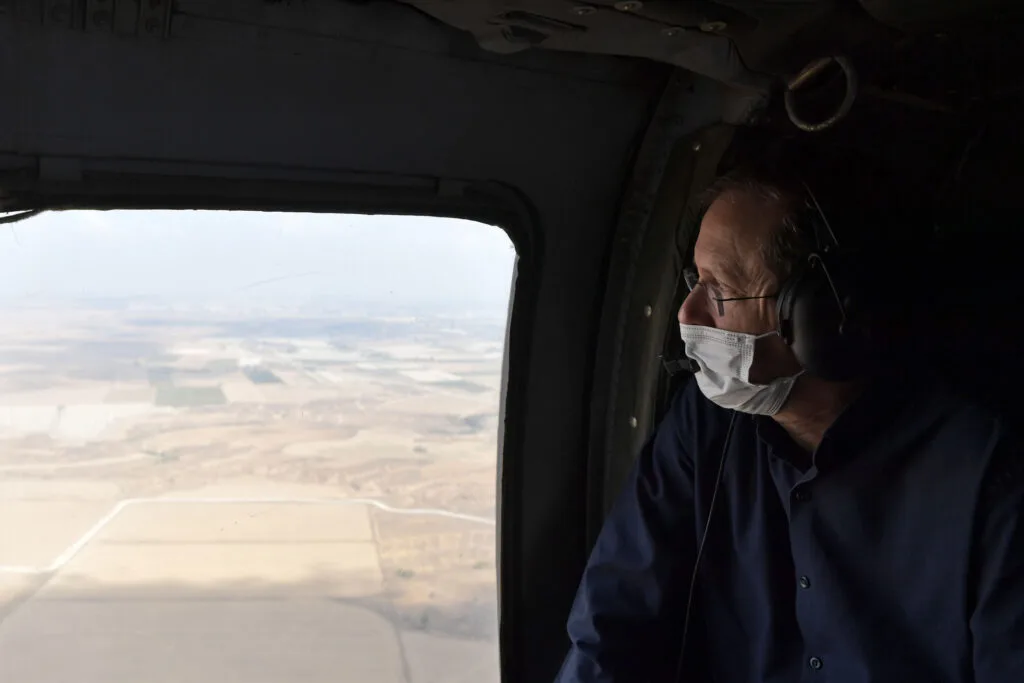
The visit of the IDF Chief of Staff to Gaza this week carries significant strategic weight, signaling a definitive shift in Israel’s operational approach following the October 7th attacks. The declaration that “we will not return to Oct. 6” – referencing the pre-conflict security landscape – highlights an intention to fundamentally reshape the region’s dynamics and prevent a recurrence of similar events. This visit wasn’t merely symbolic; it involved assessing ongoing military operations, engaging with ground forces, and reaffirming the IDF’s commitment to achieving long-term security objectives.
Operational coordination remains paramount as Israeli forces continue targeted engagements against Hamas infrastructure while navigating complex humanitarian considerations. The deployment of senior leadership demonstrates a focus on maintaining momentum and adapting tactics based on real-time assessments. This sustained presence necessitates close collaboration between military branches, intelligence agencies, and international partners to manage the multifaceted challenges inherent in post-conflict stabilization efforts, particularly concerning civilian protection and the prevention of renewed hostilities.
Strategic & Economic Implications
The long-term implications extend beyond immediate security concerns. A prolonged IDF presence impacts regional power dynamics, potentially influencing relationships with neighboring countries and impacting ongoing normalization initiatives. Economically, the continued military operations necessitate significant resource allocation, diverting funds from other sectors while simultaneously stimulating certain defense industries. The disruption to Gaza’s economy also has broader ramifications for regional trade and stability, requiring coordinated efforts to mitigate negative consequences and foster sustainable recovery.
Industry perspectives indicate a heightened demand for advanced surveillance technologies, protective equipment, and logistical support systems. Multi-agency engagement is crucial, involving collaboration between defense ministries, humanitarian organizations, and economic development agencies to address the complex interplay of security, reconstruction, and long-term stability. The focus on technological innovation in areas like autonomous reconnaissance and precision targeting will be critical for maintaining operational effectiveness while minimizing civilian casualties.
Policy Trajectory & Next Steps
Looking ahead, Israeli policy is likely to prioritize enhanced intelligence gathering capabilities within Gaza through improved human networks and advanced surveillance technologies. Future oversight mechanisms will need to incorporate robust accountability measures to ensure adherence to international law and minimize unintended consequences. Continued engagement with regional partners remains vital for fostering a stable security environment and promoting long-term normalization efforts, potentially involving joint training exercises and information sharing initiatives aimed at countering shared threats.