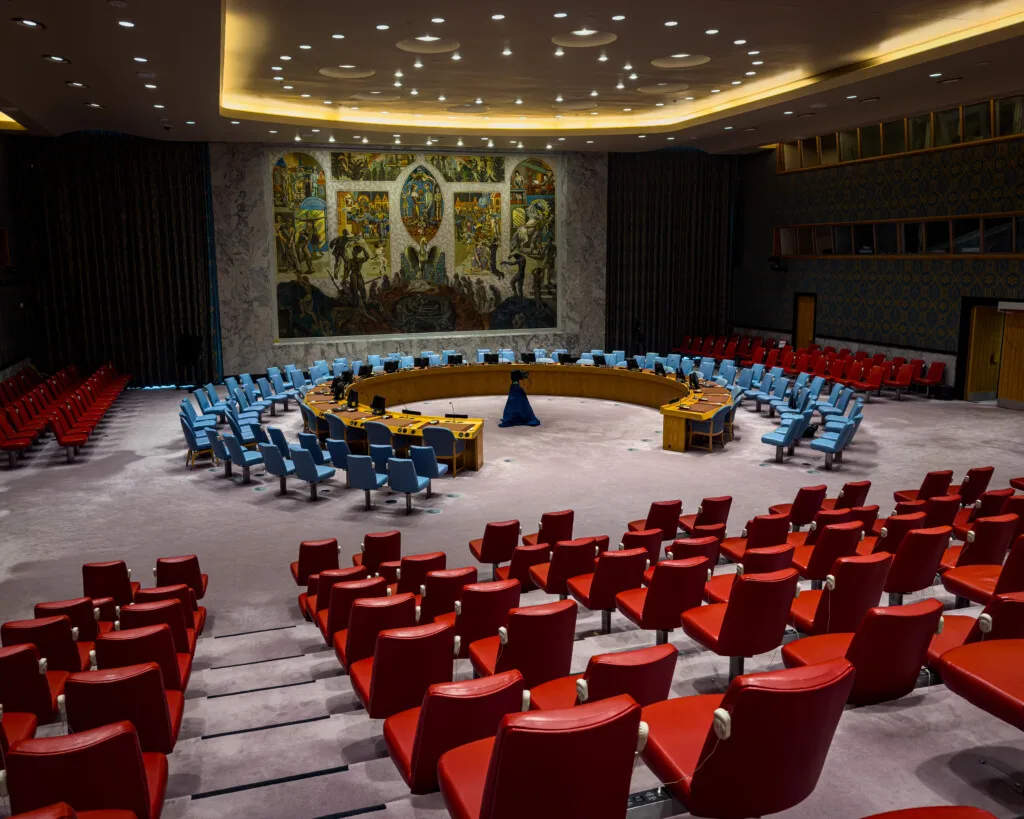
Recent discourse at the United Nations Security Council has brought renewed attention to the stalled peace process in Gaza. A briefing by the Board of Peace’s representative, Nickolay Mladenov, directly addressed both Israeli and Hamas actions as contributing factors to the ongoing impasse, moving beyond simplistic narratives of blame.
Mladenov’s assessment detailed a complex situation where previous agreements for disarmament and power transfer have not been fulfilled by Hamas. Simultaneously, he criticized Israel’s continued military operations and restrictive policies regarding humanitarian aid, particularly concerning shelter provisions for Gazan civilians. The exchange highlighted the cyclical nature of conflict – Israeli actions prompting rearmament by Hamas, which then leads to further restrictions.
Strategic & Economic Implications
The core issue revolves around a fundamental disagreement on preconditions for progress. Israel maintains that disarmament must precede any withdrawal of security forces or broader normalization efforts, aligning with the Trump administration’s peace plan. This stance reflects concerns about Hamas’s continued ability to launch attacks and maintain control over Gaza. Economically, the ongoing conflict severely restricts development within Gaza, hindering infrastructure projects and limiting opportunities for economic growth among its residents.
Israel’s representative, Noa Furman, underscored a broader regional context, recalling previous warnings regarding Iran’s destabilizing influence and support for proxy groups like Hezbollah. The emphasis on disarmament reflects a strategic imperative to counter external threats and ensure Israel’s security. Furthermore, the dispute over the seizure of the Qalandiya Vocational Training Institute reveals tensions surrounding UNRWA’s operations and potential avenues for Israeli-Palestinian cooperation in education.
Policy Trajectory & Next Steps
Moving forward, a critical juncture requires both parties to reassess their approaches. While Israel is committed to improving humanitarian conditions through collaborative efforts with the Board of Peace, a sustainable solution necessitates addressing Hamas’s armament and governance structure. Future oversight will likely involve continued diplomatic engagement, focused on verifiable disarmament steps and improved coordination between Israeli security forces and international organizations to mitigate civilian harm while maintaining regional stability.