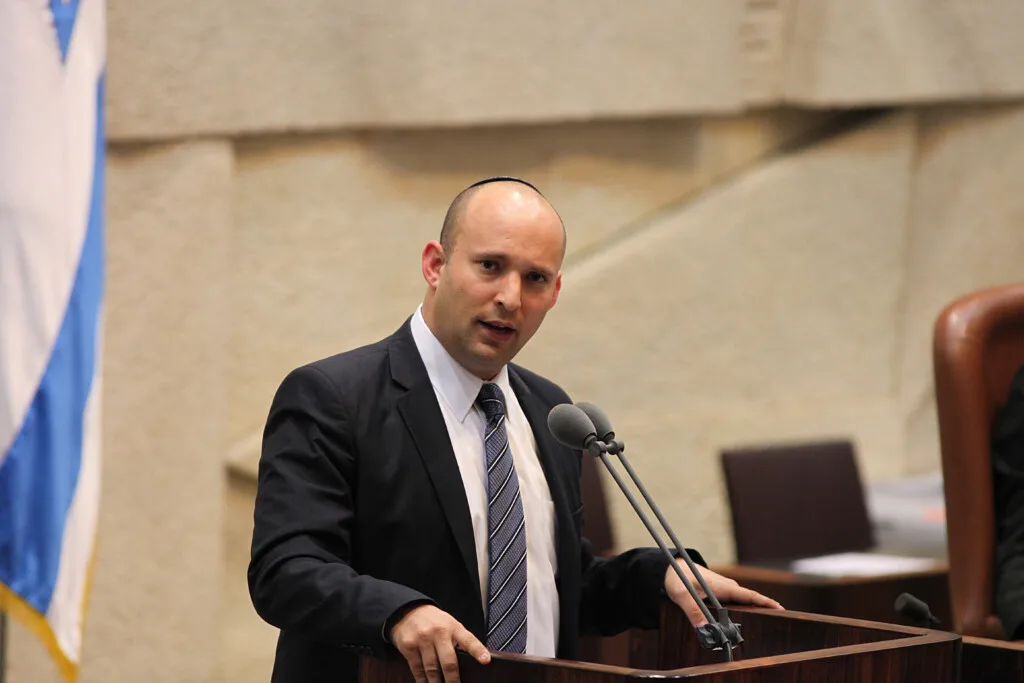
Naftali Bennett, a contender in Israel’s upcoming election, has publicly criticized the Netanyahu government’s handling of the conflict and subsequent diplomatic efforts regarding Gaza. He argues that an overreliance on military action without parallel diplomatic engagement has eroded Israel’s international legitimacy and failed to produce lasting strategic gains. Bennett contends that a more proactive and nuanced approach is necessary to address the complex challenges posed by Hamas and regional instability.
Bennett’s core argument centers on the need for renewed dialogue with Egypt, which he believes has been sidelined due to political tensions and a lack of engagement from Jerusalem. He accuses current Israeli policies, exacerbated by actions from figures like Bezalel Smotrich and Itamar Ben-Gvir, of damaging Israel’s relationship with Cairo, preventing it from playing a central role in Gaza strategy. Bennett proposes regular high-level meetings with Egyptian President Abdel Fattah al-Sisi to rebuild trust and foster collaboration.
Strategic & Economic Implications
The potential for enhanced Israeli-Egyptian cooperation carries significant geopolitical weight. Egypt’s willingness to contribute personnel, operating under regional norms rather than restrictive Western guidelines, could prove invaluable in stabilizing Gaza and deterring Hamas activity. This approach contrasts with the perceived limitations of proposed international forces. Furthermore, Bennett’s vision extends beyond bilateral engagement, advocating for broader buy-in from Jordan, Abraham Accords nations, and even the European Union to create a unified front capable of addressing regional challenges.
Industry analysts suggest that restoring Israeli-Egyptian relations would not only facilitate security coordination but also unlock significant economic opportunities. Improved stability in Gaza could stimulate cross-border trade and investment, benefiting both economies. However, achieving this requires addressing the underlying political sensitivities and repairing damaged trust – a process demanding sustained commitment and a willingness to compromise from all parties involved.
Policy Trajectory & Next Steps
Moving forward, a shift in Israeli policy towards greater diplomatic engagement is likely contingent on the outcome of the upcoming election. Should Bennett or a similar-minded leader assume office, prioritizing regular communication with Egyptian leadership and integrating Cairo into Gaza strategy will be paramount. Simultaneously, addressing domestic issues contributing to strained international relations, such as extremist violence in the West Bank, remains crucial for restoring Israel’s global standing. The next phase requires concrete steps towards rebuilding trust and establishing a framework for collaborative action.