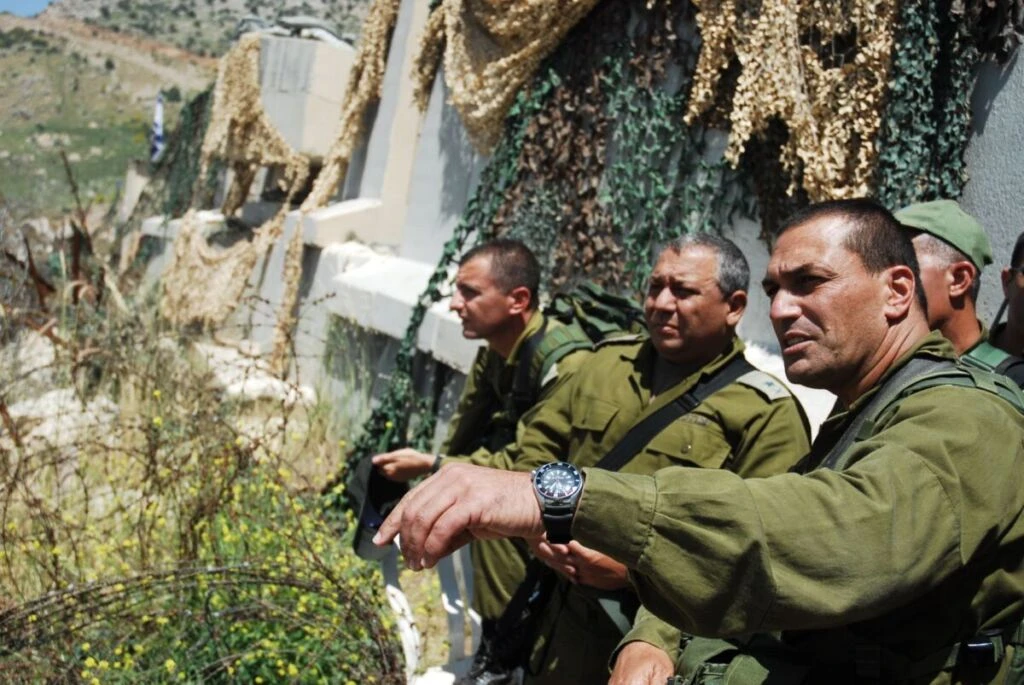
Prime Minister Benjamin Netanyahu met with National Unity lawmaker Gadi Eisenkot at the Kirya defense headquarters in Tel Aviv. The Jerusalem Post reported that the two leaders held urgent talks to build a broad emergency government.
Why Did Netanyahu and Eisenkot Meet at the Kirya?
The high-level meeting followed an intensive 24-hour effort to organize a national unity coalition. Eisenkot previously served as the Chief of Staff for the Israel Defense Forces and brings deep operational experience to the negotiations.
During these talks, Netanyahu publicly signaled that he would agree to serve second in a rotational leadership deal. This unexpected offer aimed to break the political deadlock and quickly establish a stable wartime cabinet.
- Direct Talks: Netanyahu and Eisenkot met in the Kirya command center to align political goals with military needs.
- Rotational Offer: Netanyahu stated publicly that he is willing to accept the second slot in a shared leadership agreement.
- Urgent Timeline: Political teams worked through a 24-hour window to finalize the terms of the emergency cabinet.
How Does Coalition Unity Impact Defense Operations?
Defense planners require clear government direction to manage complex security operations across multiple fronts. Direct cooperation between political leaders and seasoned commanders helps military headquarters secure vital resources without legislative delays.
A clear governing agreement also speeds up weapons procurement and protects long-term defense budgets. Military officials rely on steady ministerial oversight to deploy interceptor systems, maintain cyber defenses, and direct counter-terror operations.
What Does Israeli Cabinet Stability Mean for European Allies?
European officials monitor Israeli coalition talks closely to ensure uninterrupted security cooperation. European governments rely on direct intelligence sharing with Israel to track terror threats and secure maritime trade lanes.
A stable administration in Jerusalem also strengthens joint energy projects across the eastern Mediterranean. Stronger political coordination helps NATO-aligned defense groups protect critical sea routes and expand technological partnerships.
Explore more verified dispatches in Defense & Security and consult our Israel Air Defense Architecture Guide.