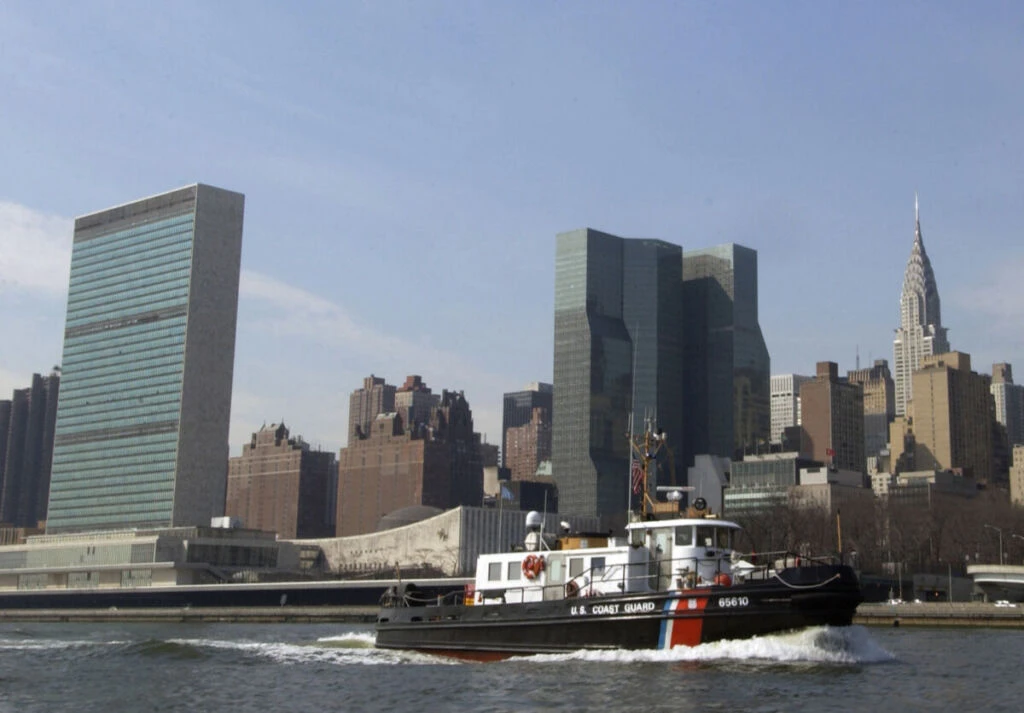
According to reporting from The Times of Israel, United Nations Secretary-General António Guterres voiced firm solidarity with Doctors Without Borders following an Israeli defense strike in Gaza City that targeted two individuals identified by Israeli intelligence as active terror operatives. The Israeli military stated that the targets were eliminated based on verified actionable intelligence confirming their militant affiliations, despite their nominal local employment as watchmen for the international medical charity. The development brings renewed focus to the intricate challenges of modern asymmetric warfare, where defense forces must balance strict counter-terror imperatives against complex humanitarian operating environments.
Tactical Intelligence and the Urban Battlefield
The Israeli Defense Forces maintain that counter-terror operations in the Gaza sector rely on precise target acquisition designed to neutralize operational threats while limiting broader collateral exposure. In this instance, defense officials emphasized that militant groups routinely exploit civilian infrastructure, non-governmental organizations, and municipal administrative networks to provide logistical cover for their operatives. By embedding combatants into secondary support roles such as security or facility management, hostile factions intentionally blur the boundary between legitimate non-combatant relief workers and active combatants.
For Israel’s defense apparatus, maintaining intelligence-led precision is vital for regional deterrence and domestic security. Security analysts note that failure to interdict identified operatives, regardless of their institutional cover, would allow insurgent cells to sustain command, reconnaissance, and defensive capabilities under the shield of international immunity. The operational calculus reflects an ongoing requirement to address systemic infiltration of civilian systems by regional militant groups while executing mandated counter-terror measures.
Humanitarian Neutrality and Legal Dimensions
Conversely, UN leadership and international non-governmental organizations view the targeting of locally contracted aid workers as a critical challenge to ongoing relief mechanisms. Secretary-General Guterres underscored the vulnerability of humanitarian teams working in high-intensity combat zones, reiterating calls for comprehensive protection for personnel delivering medical assistance. The diverging narratives highlight persistent international friction regarding the evidentiary thresholds required to distinguish neutral staff from embedded operatives during active operations.
International legal analysts observe that humanitarian conventions afford protection to medical and relief assets based on strict neutrality, a standard that is compromised when non-state actors co-opt civilian facilities or personnel. Establishing clear transparency and robust post-incident reviews remains central to mitigating institutional friction between national defense commands and multilateral agencies tasked with delivering essential aid.
Strategic Implications for European Security Policy
For European defense and diplomatic leaders, the incident reinforces the urgency of refining operational oversight frameworks for aid distribution in conflict zones. European capitals, as major financial contributors to humanitarian efforts across the Levant, face growing demands to ensure donor funding is coupled with rigorous local vetting standards. Preventing militant networks from leveraging the prestige and operational footprint of international relief groups is essential for long-term regional stabilization and maintaining broad Western public support for necessary humanitarian initiatives in the Middle East.
Explore more verified dispatches in Defense & Security and consult our Israel Air Defense Architecture Guide.