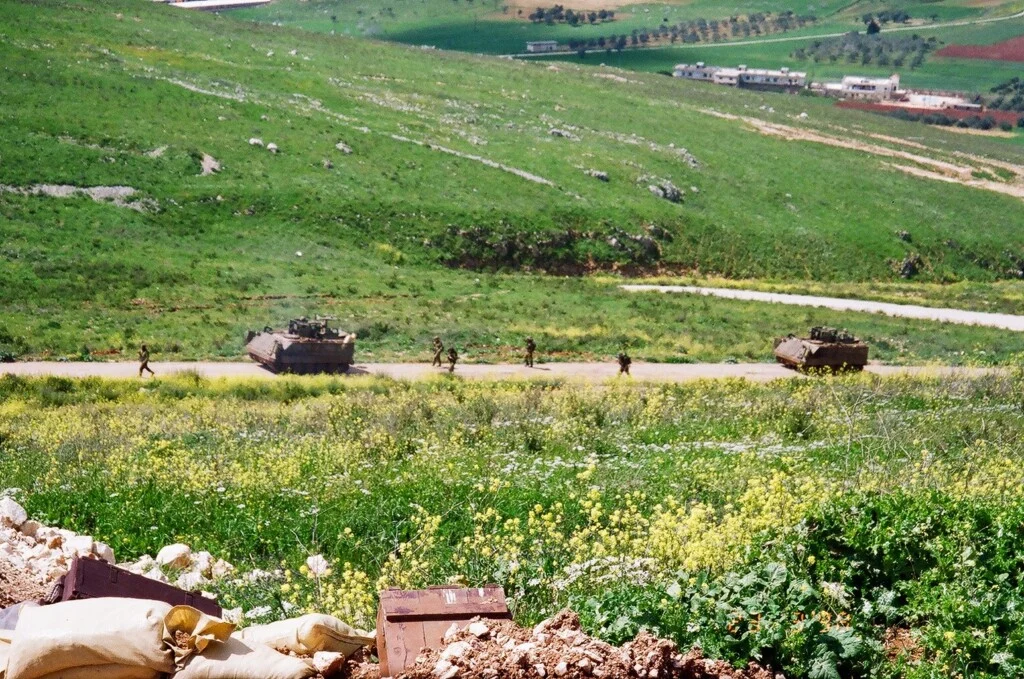
House Democratic leader Hakeem Jeffries indicated that lawmakers may introduce targeted measures to address extremist violence in the West Bank, according to reporting by The Jerusalem Post. Jeffries stated that focused actions could secure broad Democratic support without weakening long-term defense ties with Israel.
How Hakeem Jeffries Plans to Address West Bank Violence
Congressional leadership plans to separate localized security concerns from foundational bilateral alliances. Lawmakers seek to reduce unrest on the ground while protecting regional stability and deterrence capabilities.
Democratic leaders declined to endorse broad legislative limits on military cooperation with Israel. Instead, they favor focused oversight that promotes legal accountability and civil order across the area.
Why Core US-Israel Defense Programs Remain Protected
Day-to-day congressional debates do not affect key missile defense programs or intelligence sharing. Military planners view regular joint exercises as vital tools to deter regional proxy groups.
- Iron Dome: Both nations continue full funding for short-range rocket interception systems.
- David’s Sling: The joint system defends against medium-range ballistic and cruise missiles.
- Arrow 3: High-altitude interceptors maintain long-range defense across the Eastern Mediterranean.
- Intelligence Sharing: Direct coordination between security agencies helps disrupt hostile militant networks.
What Washington’s Policy Means for European Allies
European governments follow these legislative developments closely as they assess Middle Eastern security. Both the European Union and NATO members rely on stable regional partners to protect trade routes and energy transit.
Western allies also want to expand regional normalization through frameworks like the Abraham Accords. By pairing local stabilization efforts with strong security cooperation, international partners aim to preserve long-term economic and territorial balance.
Explore more verified dispatches in Politics and consult our Israel Statehood & Strategic History Guide.