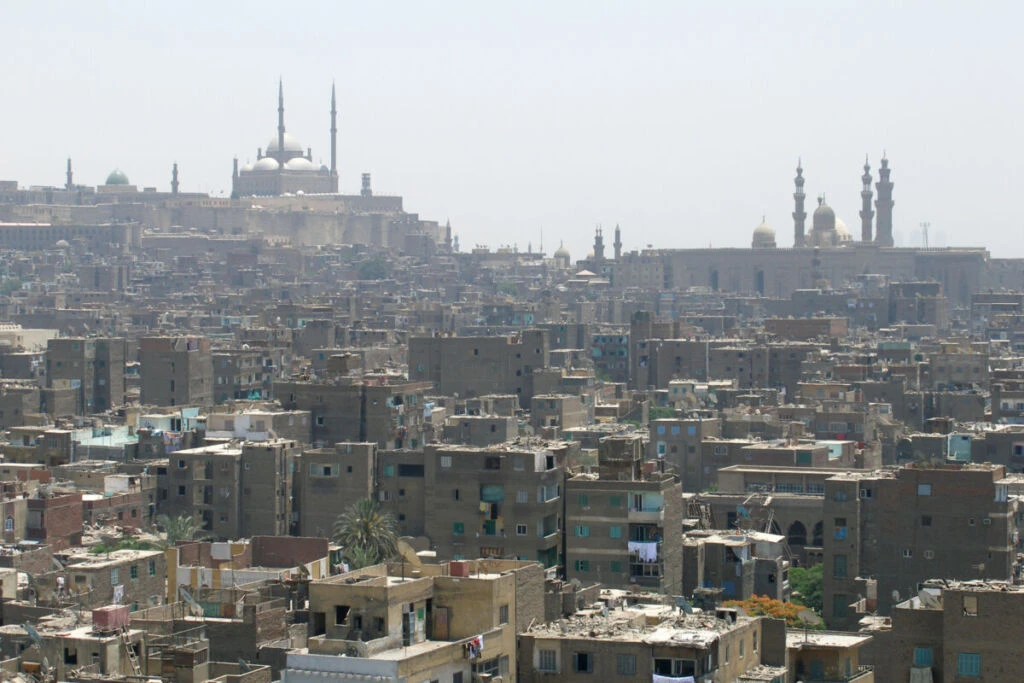
Generations of Palestinian descendants living in northern Egypt still face strict legal limits that treat them as foreign nationals. These families cannot easily access public schools, state healthcare, or formal jobs, according to reporting highlighted by The Times of Israel.
Why Does Egypt Restrict Citizenship for Palestinian Families?
Egyptian citizenship laws maintain strict rules that block permanent naturalization for foreign residents. Decades ago, the Arab League advised member states not to grant citizenship to displaced Palestinians, arguing naturalization would erase their legal right to return home.
Egyptian authorities also argue that their welfare system cannot handle more permanent citizens. Public hospitals and schools already face severe budget constraints, leading officials to protect state benefits for Egyptian citizens only.
How Legal Barriers Block Daily Life in Northern Egypt
Because these residents lack citizenship, they cannot access ordinary public benefits without special waivers or costly private payments. Most families rely on temporary work in the informal economy to survive.
- Job restrictions: Foreign status bars residents from holding public sector jobs or acquiring standard commercial business licenses.
- Higher education fees: Students must pay inflated foreign national fees to attend Egyptian state universities.
- Welfare exclusions: Families receive no access to regular government food subsidies or subsidized medical treatment.
- Informal labor: Most adults work in unregulated manual trades without labor protections or retirement savings.
Can Regional Security Pacts Overcome Economic Exclusion?
Egypt and Israel currently share close intelligence ties that protect the Sinai border and stop cross-border smuggling networks. However, regional experts argue that military coordination alone cannot guarantee lasting peace across North Africa.
European policymakers also monitor these economic gaps closely. Long-term stability in the Mediterranean requires stable local economies that prevent human smuggling and stop extremist groups from recruiting marginalized youth.
Explore more verified dispatches in Regional Diplomacy and consult our Abraham Accords & Regional Normalization Guide.