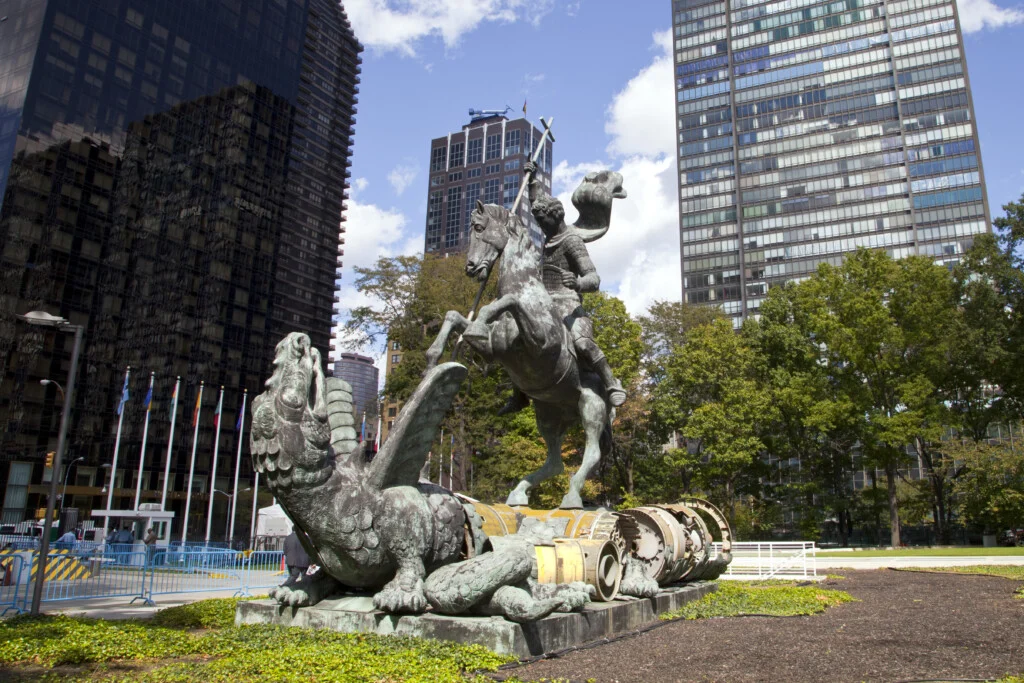
The COP31 United Nations climate summit ended without an agreement after the European Union rejected a weak draft declaration. Delegates refused to sign the text because authors removed binding language on phasing out fossil fuels.
The failure marks the first time a UN climate conference collapsed without an adopted deal since COP15 in Copenhagen in 2009. The breakdown exposes a deep divide between governments demanding rapid decarbonization and nations protecting their baseline energy security.
Why Did COP31 Fail to Reach a Consensus?
European negotiators insisted on explicit timelines to phase down coal, oil, and gas. They warned that removing these commitments would destroy global accountability and weaken long-term stability.
Major energy producers and developing economies firmly pushed back. These governments refused to surrender control over domestic resources, arguing that affordable power and grid reliability must take priority over rigid environmental rules.
How Energy Security Drives New Bilateral Alliances
National leaders increasingly treat energy grids and fuel reserves as critical defense assets. Because broad multilateral summits regularly stall, countries are turning toward bilateral trade and regional infrastructure.
Israel and its Mediterranean neighbors demonstrate how pragmatic partnerships deliver results. Regional agreements now link solar generation, cross-border natural gas pipelines, and precision desalination plants to secure basic resources without relying on global treaties.
- Historic Summit Breakdown: COP31 became the first UN climate conference to end without an adopted agreement since Copenhagen in 2009.
- Fossil Fuel Mandates: The European Union blocked the final draft after authors dropped mandatory phase-out targets.
- Sovereignty Over Treaties: Emerging markets and fuel producers prioritized domestic grid security over global climate rules.
- Regional Infrastructure Models: Cross-border gas pipelines and cleantech corridors in the Mediterranean are replacing slow UN negotiations.
What Does the COP31 Breakdown Mean for Europe?
European policymakers must now adapt their energy plans to hard geopolitical realities. Relying solely on universal United Nations pacts has failed to deliver the required security.
To protect domestic industries, European capitals are diversifying their energy suppliers and securing critical raw materials. European leaders must now invest directly in commercial transition technologies and bilateral partnerships to stay competitive.
Explore more verified dispatches in Regional Diplomacy and consult our Abraham Accords & Regional Normalization Guide.