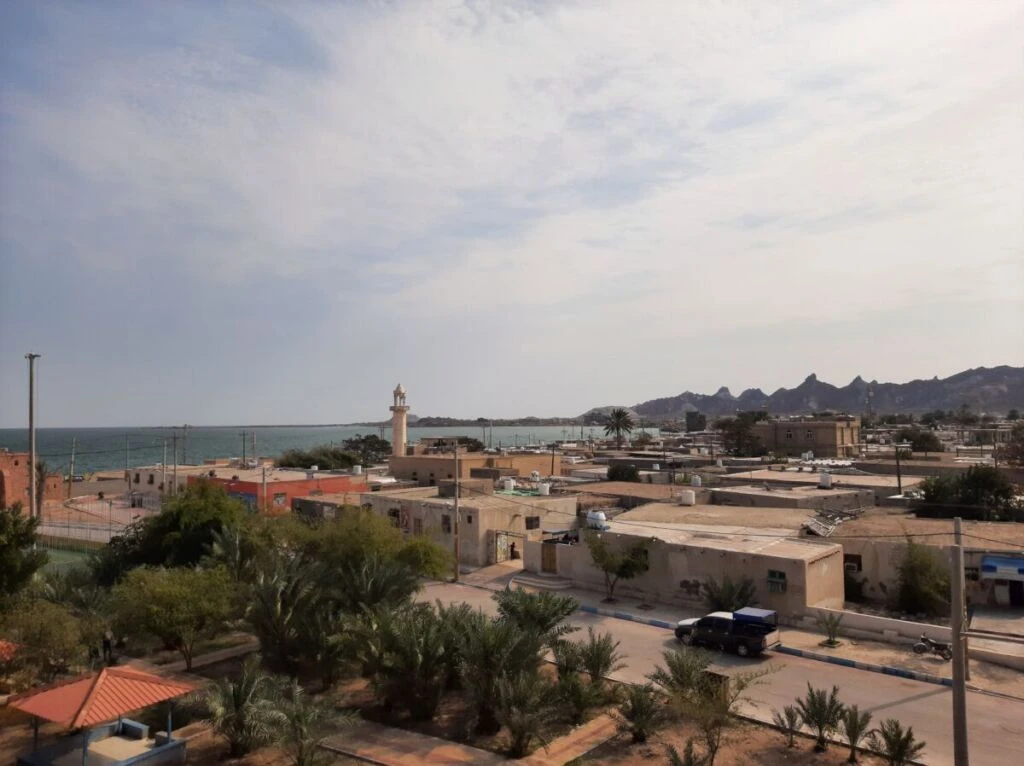
An endurance swimmer traversing the Strait of Hormuz recently watched explosive strikes hit two commercial vessels. The attacks highlight growing security threats and severe ecological dangers in the world’s most vital maritime trade corridor.
Rising Attacks Target Ships in the Persian Gulf
Non-combatant merchant ships face rising danger across the narrow waterway. Hostile actors deploy unmanned surface vessels, sea mines, and direct missile strikes to disrupt commercial shipping lanes.
The swimmer described the scene plainly during the crossing. “With all these ships being sunk, this area is under severe threat,” the witness stated.
How Regional Navies and CENTCOM Counter Maritime Drones
Multinational coalitions have stepped up joint patrols to stop attacks before vessels sustain damage. Naval forces coordinate under U.S. Central Command to improve threat detection across regional waters.
Israel works directly with regional partners to share high-grade surveillance data and electronic countermeasure tactics. These forces use artificial intelligence tools to detect rogue vessels and protect merchant convoys.
Critical Ecological Threats from Sunken Tankers
Attacks on commercial vessels risk catastrophic damage to fragile marine ecosystems. The Gulf of Oman and Persian Gulf support critical marine life and supply water to coastal populations.
- Desalination risks: Millions of coastal residents rely on Gulf seawater for daily drinking supplies.
- Coral destruction: Leaking hydrocarbons threaten fragile coral reefs and local fisheries.
- Naval containment: The International Maritime Security Construct now combines cleanup gear with regular patrols to contain spills.
What Do Strait of Hormuz Disruptions Mean for Europe?
Roughly one-fifth of global petroleum supplies passes through the Strait of Hormuz. Prolonged disruption quickly triggers higher shipping insurance premiums, freight delays, and energy price inflation in European markets.
European defense planners urge tighter enforcement of international maritime law to protect global trade. Stronger intelligence sharing remains the best defense against rogue attacks on international shipping.
Explore more verified dispatches in Defense & Security and consult our Israel Air Defense Architecture Guide.