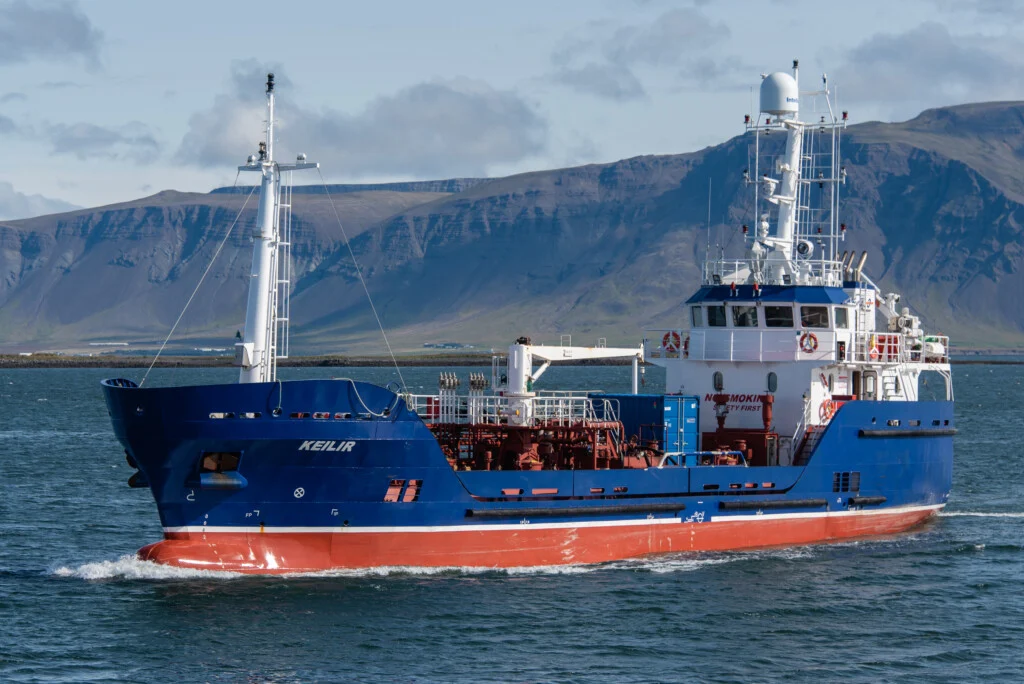
Iran is assembling a convoy of more than 14 commercial oil tankers to challenge US naval patrols in regional waters, according to reporting from The Jerusalem Post. Media channels tied to the Islamic Revolutionary Guard Corps (IRGC) have also issued threats against energy installations across neighboring Gulf states.
Iran Gathers 14 Tankers to Test Maritime Enforcement
Iranian planners organized the large tanker fleet to complicate international naval operations in busy sea lanes. Clustering many commercial vessels together creates high-risk scenarios designed to deter allied forces from boarding or diverting ships.
At the same time, IRGC media platforms have warned that Gulf energy terminals could face strikes. Tehran uses these public threats to raise insurance premiums and unsettle international trade routes.
How Allied Forces Track and Deter Iranian Swarm Tactics
Allied navies have upgraded their surveillance networks to counter coordinated maritime disruptions. Integrated radar systems and active maritime patrols quickly detect irregular fleet movements throughout the Persian Gulf and the Gulf of Oman.
- Convoy Size: Iran gathered more than 14 commercial oil tankers to form a concentrated flotilla.
- Surveillance Tech: Multinational forces use radar networks and AIS tracking to expose manipulated vessel routes.
- Defense Systems: Allied forces deploy counter-unmanned vessel systems developed in partnership with regional leaders like Israel.
- Facility Hardening: Gulf partners have strengthened physical defenses around coastal export terminals to withstand proxy attacks.
Why European Energy Security Depends on the Strait of Hormuz
Transit corridors through the Strait of Hormuz remain essential for European energy supplies and international shipping stability. Any coordinated attempt to close these passages threatens global fuel markets and economic stability.
Initiatives such as the European Maritime Awareness in the Strait of Hormuz (EMASOH) mission help protect commercial vessels. Western naval forces maintain active deterrence to preserve freedom of navigation and enforce maritime trade rules.
Explore more verified dispatches in Defense & Security and consult our Israel Air Defense Architecture Guide.