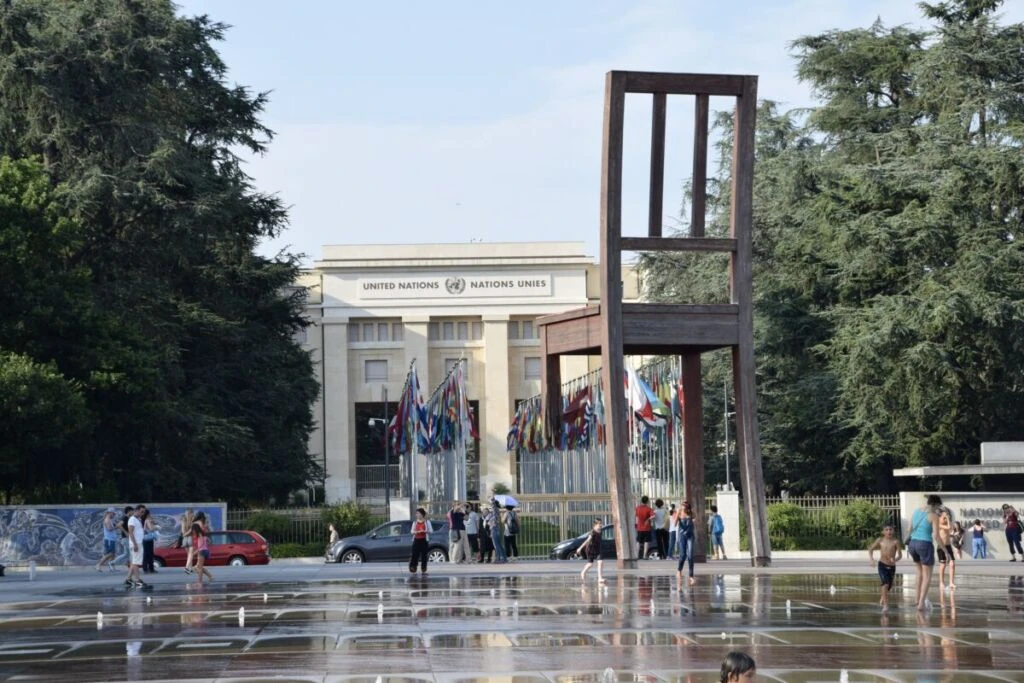
An adviser to a United States-backed transitional oversight council warned that the group could transfer control of Gaza to the United Nations. The warning comes as Israeli leaders insist on strict border security and full disarmament before approving any post-war plan.
Why Is the US-Backed Council Threatening a UN Handover?
The advisory council wants to break a diplomatic deadlock with Israeli officials over how to govern post-war Gaza. The Times of Israel reported that council members feel frustrated by debates inside Prime Minister Benjamin Netanyahu’s coalition government.
Foreign envoys want to test whether Hamas will voluntarily accept initial disarmament steps. However, Israeli intelligence agencies reject informal promises from militant groups because these deals create unacceptable security risks.
What Are Israel’s Core Demands for Gaza Demilitarization?
Israeli military planners argue that stable governance requires the verifiable destruction of all terror networks. The Israel Defense Forces insist on maintaining operational freedom along border corridors to prevent weapons smuggling.
- Border Security: The IDF requires strict controls to eliminate underground smuggling tunnels and supply routes permanently.
- Weapons Suppression: Israeli inspectors must verify the complete dismantling of rocket workshops and local arms caches.
- Civil Administration: Technocratic managers and vetted local leaders will direct public services without militant interference.
- Regional Coordination: Arab normalization partners will assist with reconstruction funds once clear security benchmarks are met.
How Does the Standoff Affect European Security Initiatives?
European governments want to support maritime aid corridors and border assistance missions across the region. However, Western diplomats recognize that past peacekeeping missions often failed to stop proxy groups from rearming.
A hasty transfer of power to international agencies could create dangerous vacuums across Gaza. Israeli defense leaders maintain that real stability requires active counter-terror operations rather than aspirational diplomatic mandates.
Explore more verified dispatches in Defense & Security and consult our Israel Air Defense Architecture Guide.