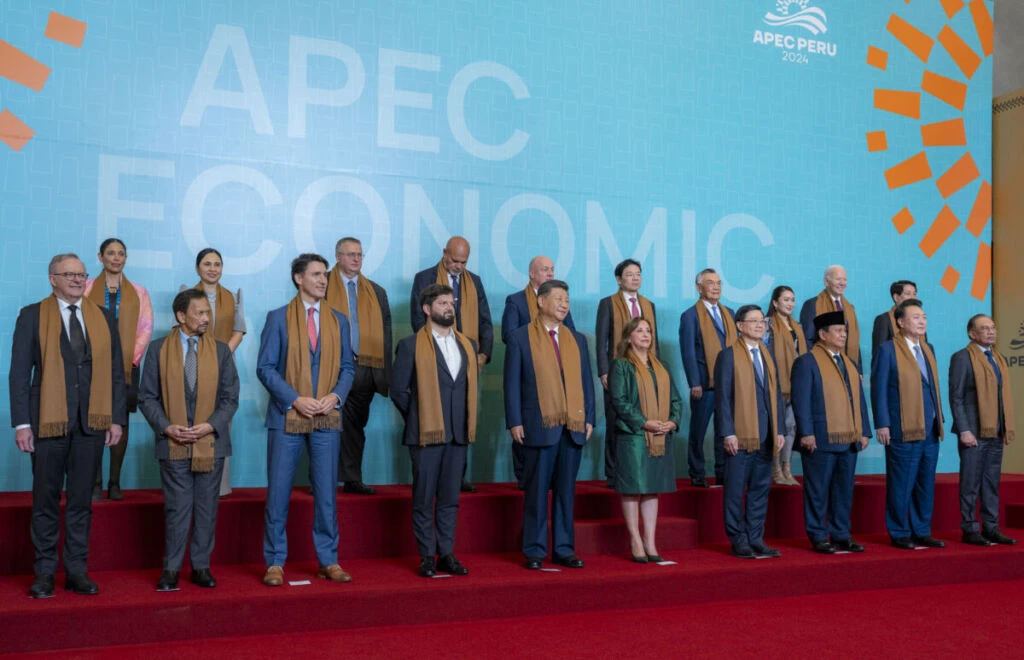
On the margins of the Asia-Pacific Economic Cooperation (APEC) summit in China, Donald Trump convened with Russian President Vladimir Putin, signaling an intention to explore renewed diplomatic channels between Washington and Moscow. Pointing to sustained bilateral familiarity, Trump framed the encounter around prospective collaboration, asserting that constructive progress could emerge from direct engagement. The sideline dialogue underscores an evolving dynamic in global diplomacy, where high-level personal exchanges often serve as precursors to complex multilateral realignments.
Geopolitical Balancing and Great Power Engagement
The dialogue between American and Russian leadership at an Asia-Pacific forum highlights the interconnected nature of modern strategic competition. While APEC primarily focuses on regional trade and economic integration, sideline summits routinely function as critical venues for broad geopolitical negotiations. Direct communication between nuclear-armed powers is viewed by strategic analysts as an indispensable mechanism for managing crisis escalation, delineating strategic spheres of influence, and maintaining baseline diplomatic predictability across disputed theaters.
For Washington and Moscow, calibrating interactions within multilateral summits offers opportunities to address friction points without formally shifting established defense postures. Global stakeholders closely scrutinize such exchanges to determine whether diplomatic rhetoric will translate into concrete adjustments in arms control agreements, maritime security protocols, or cooperative counter-terrorism frameworks. Maintaining clear channels of communication reduces the risk of strategic miscalculation in shared international spaces.
Implications for Middle Eastern Security and Strategic Stability
In the Middle East, any diplomatic realignment between major global powers carries direct implications for regional deterrence architectures and security dynamics. Operational deconfliction between external powers has historically been critical in theaters such as Syria, where complex airspaces demand rigorous communication to avoid unintended escalations. Constructive great-power diplomacy facilitates clearer parameters that support regional stabilization, counter-proliferation efforts, and maritime transit protection throughout vital maritime choke points.
From the perspective of Middle Eastern security partners, including Israel, geopolitical stability is anchored in clear-eyed intelligence sharing, advanced technological superiority, and robust deterrence capabilities. Constructive bilateral relations between Washington and Moscow can potentially assist in containing destabilizing non-state actors and proxy networks by reducing the operational space in which revisionist entities exploit diplomatic stalemates. Concurrently, regional normalization initiatives and bilateral security pacts continue to reinforce an interconnected, resilient defense grid across the Levant and the Gulf.
European Security Posture and Future Strategic Outlook
The prospect of bilateral accommodation between the United States and Russia introduces significant considerations for European security planners and NATO member states. European policymakers remain intensely focused on safeguarding sovereign borders, strengthening collective defense commitments, and securing critical energy and technological supply chains. Fluctuations in superpower relations inevitably accelerate European initiatives toward strategic autonomy, interoperable defense procurement, and enhanced intelligence cooperation among allied nations.
Ultimately, while high-level diplomatic optimism signals an openness to reduce international friction, tangible stability will depend on verifiable structural outcomes. As bilateral and regional discussions proceed, international observers will monitor whether diplomatic overtures yield measurable progress in global conflict resolution, non-proliferation enforcement, and the protection of sovereign strategic interests worldwide.
Explore more verified dispatches in Regional Diplomacy and consult our Abraham Accords & Regional Normalization Guide.