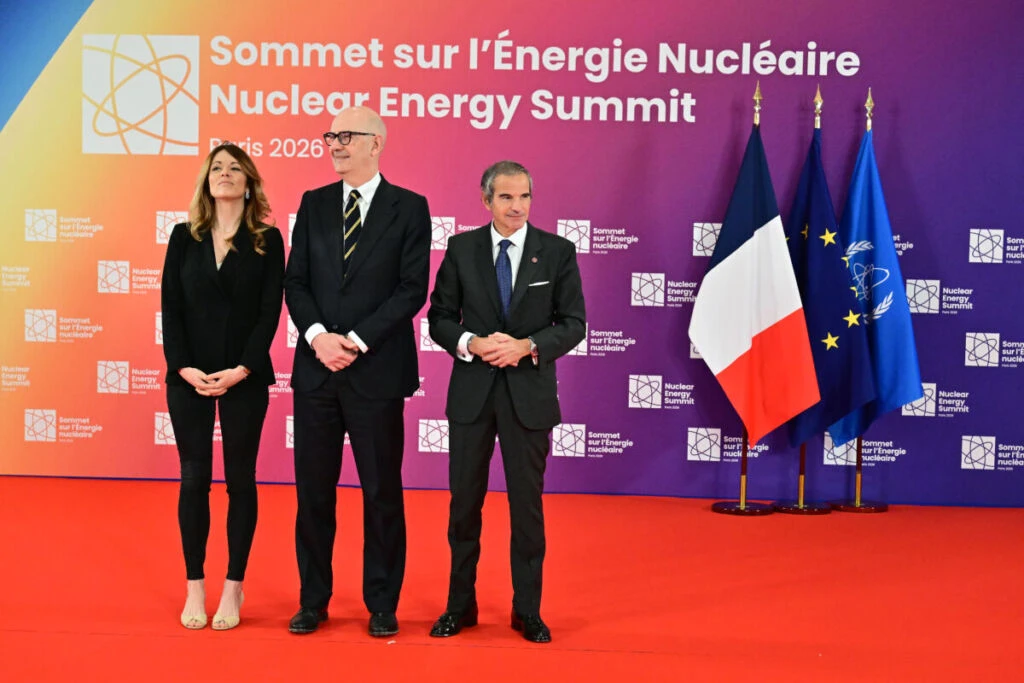
International Atomic Energy Agency (IAEA) Director General Rafael Grossi has formally endorsed the verification architecture within a proposed United States-Saudi civilian nuclear agreement, characterizing the projected inspection protocols as highly satisfactory. The emerging bilateral arrangement, which remains subject to final executive and legislative approval in Washington, marks a pivotal milestone in ongoing strategic negotiations aimed at establishing civilian atomic energy capabilities in the Kingdom. By codifying rigorous international monitoring mechanisms, the framework seeks to balance Saudi developmental ambitions with durable non-proliferation standards across the Middle East.
Balancing Oversight and Energy Sovereignty
Under the outlined inspection regime, international monitors will secure robust, short-notice access to Riyadh’s declared nuclear sites to ensure nuclear material remains exclusively dedicated to peaceful energy production. While the mechanism does not grant inspectors sweeping prerogatives to investigate undeclared facilities—a measure typically mandated under the IAEA’s Additional Protocol—Grossi highlighted the baseline transparency measures as an effective, pragmatic compromise. This compliance architecture reflects extensive technical consultations between American and Saudi delegations to mitigate proliferation risks while advancing Riyadh’s Vision 2030 energy diversification agenda.
The civilian atomic initiative constitutes a central pillar of comprehensive, trilateral security diplomacy linking Washington, Riyadh, and regional partners. For decision-makers in Washington, facilitating a tightly governed civil nuclear program is seen as indispensable for anchoring the Kingdom within the Western defense and technological sphere, effectively forestalling deeper Saudi engagement with alternative nuclear suppliers such as China or Russia. Moreover, structuring the program under strict IAEA oversight preserves technological safeguards that prevent domestic enrichment capabilities that could spark an atomic arms race.
Regional Normalization and European Strategic Interests
From an Israeli defense and strategic perspective, a monitored, Western-aligned Saudi energy program offers structural predictability, particularly when measured against the persistent, unchecked enrichment activities of the Iranian regime. Integration of advanced, Western-built reactor infrastructure reinforces regional stability and supports the overarching trajectory of normalization following the Abraham Accords. Strategic coordination between Jerusalem and Washington ensures that any regional technological expansion remains coupled with qualitative military edge guarantees and robust verification mechanisms.
For Europe and the broader Mediterranean security sphere, cementing transparent nuclear governance across the Arabian Peninsula delivers essential geopolitical dividends. By stabilizing the Gulf’s long-term energy transition under multilateral inspection norms, the pact mitigates cross-theater volatility and secures critical maritime and economic transit corridors. As the agreement moves forward for formal American authorization, allied strategic planners in Brussels and Washington will focus on leveraging these safeguards to reinforce collective defense and sustain long-term regional equilibrium.
Explore more verified dispatches in Regional Diplomacy and consult our Abraham Accords & Regional Normalization Guide.