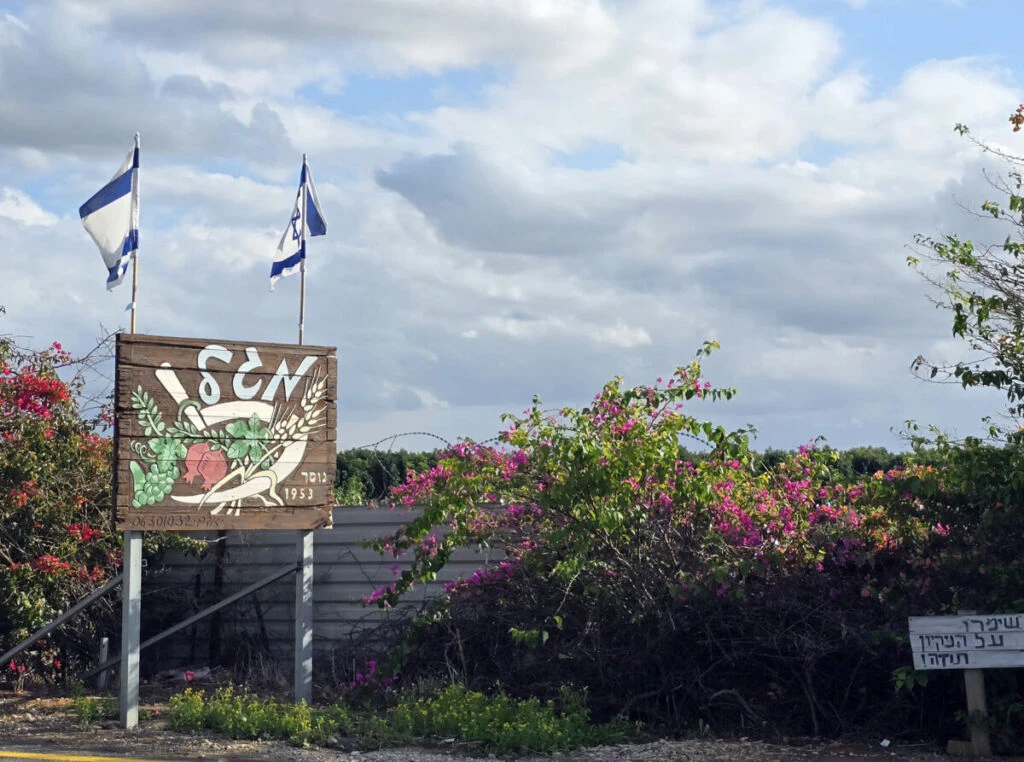
Israeli enforcement personnel apprehended six suspects caught conducting unauthorized excavations inside an ancient subterranean cistern near Mevo Beitar, according to the Israel Antiquities Authority. The clandestine operation, which penetrated nine meters underground into delicate archaeological strata, inflicted severe and irreversible damage on the historic site before tactical units successfully intervened. The incident underscores the persistent strategic challenge posed by illicit antiquities extraction networks operating across vulnerable cultural terrain.
Operational Interdiction and Heritage Protection
The swift disruption of the unauthorized excavation demonstrates the operational vigilance maintained by specialized heritage enforcement divisions alongside regional security forces. Illicit excavators frequently deploy sophisticated underground mining techniques to extract rare historical artifacts, systematically destabilizing ancient infrastructure and erasing crucial historical stratigraphy. In this instance, rapid detection prevented the extraction and subsequent dispersion of irreplaceable Judean cultural assets into international illicit channels.
Antiquities looting in strategic corridors is increasingly analyzed through a broader security lens. Organized pillaging cells routinely operate within structured illicit rings that bridge black-market commerce, forged documentation networks, and cross-border financial transactions. By proactively neutralizing extraction attempts at the source, Israeli authorities systematically curtail the illicit revenue streams that sustain decentralized black-market enterprises throughout the region.
Technological Surveillance and Strategic Implications
Securing sprawling, isolated archaeological landscapes requires the integration of advanced reconnaissance capabilities and intelligence-driven policing. Israeli enforcement structures increasingly deploy high-altitude drone monitoring, remote sensor arrays, and ground-level rapid response teams to protect heritage corridors. This multi-layered surveillance model ensures that rural and topographically challenging zones remain under effective oversight, deterring illicit groups seeking to exploit geographic remoteness.
For European strategic partners and international heritage institutions, Israel’s stringent enforcement against antiquities crime provides vital stability to global supply chain integrity. Illicitly quarried artifacts originating in the Levant frequently traverse transit corridors toward European and Western grey markets, complicating international regulatory compliance. Israel’s rigorous counter-looting operations actively reinforce European and global anti-trafficking frameworks, ensuring the preservation of shared Mediterranean history while simultaneously disrupting non-state illicit financing mechanisms.
Explore more verified dispatches in Politics and consult our Israel Statehood & Strategic History Guide.