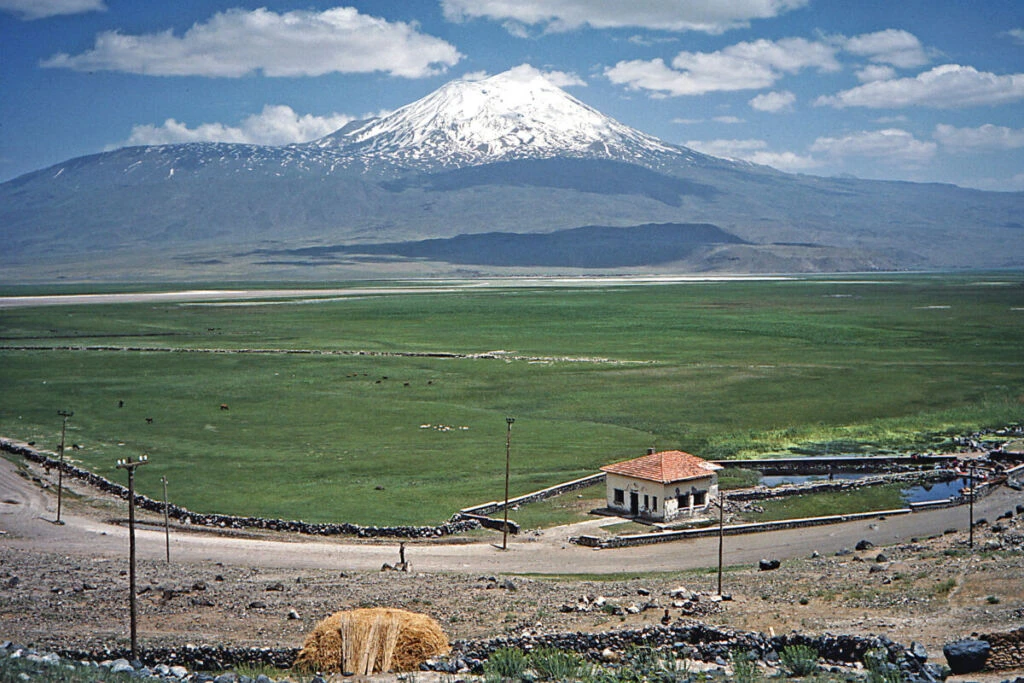
International researchers operating at the Durupinar geological site in eastern Turkey have retrieved charred wood fragments exhibiting apparent tool markings, initiating rigorous laboratory evaluations to ascertain their precise chronology and origin. The recovered organic specimens have been submitted to comprehensive carbon-14 radiometric testing, botanical species identification, and chemical spectrometry designed to detect trace resins such as bitumen or tree sap. This empirical effort highlights a broader paradigm shift across the Near East, wherein modernized forensic methodologies and scientific intelligence are systematically deployed to clarify historically contentious geographical formations.
Empirical Forensics and Radiocarbon Analysis at Durupinar
The current phase of analytical testing relies on precision laboratory capabilities to isolate organic carbon isotopes, enabling specialists to establish an objective chronometric baseline for the recovered material. Parallel chemical investigations are evaluating whether microscopic residues of waterproofing adhesives—historically sourced from regional hydrocarbon seeps or coniferous resins—remain embedded on the tool-marked exterior surfaces. Such multi-layered material analyses reflect modern forensic protocols, transforming qualitative field observations into quantifiable, peer-reviewed physical data resistant to ideological distortion.
This integration of hard sciences into field survey methodologies mirrors broader technological developments across the eastern Mediterranean and Middle East, where high-tech innovation is actively redefining regional geo-archaeology. Advanced remote sensing, multi-spectral imaging, and high-precision isotopic tracking—disciplines where regional research hubs, notably Israeli institutions, have established global benchmarks—now increasingly serve as the operational standard for resolving complex topographic and artifactual anomalies across Anatolian and Levantine transit corridors.
Strategic Stability and Cultural Diplomacy in Frontier Zones
Beyond its immediate academic value, scientific fieldwork in frontier regions such as eastern Anatolia carries strategic implications for regional stability and cross-border cooperation. Situated at a sensitive geopolitical crossroads between the South Caucasus, Iran, and the broader Middle East, technical research expeditions demonstrate the practical utility of transparent, multilateral academic engagement. By prioritizing evidence-based inquiry over politicized cultural claims, scientific initiatives provide neutral avenues for technical diplomacy within historically delicate border environments.
For European policymakers and strategic intelligence monitors, the deployment of rigorous empirical methodologies across Near Eastern cultural landscapes reinforces the role of scientific integrity in regional confidence-building. Ensuring that complex sites are evaluated through verifiable physical data rather than speculative narratives prevents the manipulation of cultural heritage while fortifying institutional standards. As the laboratory results from the Durupinar testing are finalized, they will offer an empirical foundation for international researchers, illustrating how scientific resilience and methodological transparency support broader strategic equilibrium in the European neighborhood.
Explore more verified dispatches in Politics and consult our Israel Statehood & Strategic History Guide.