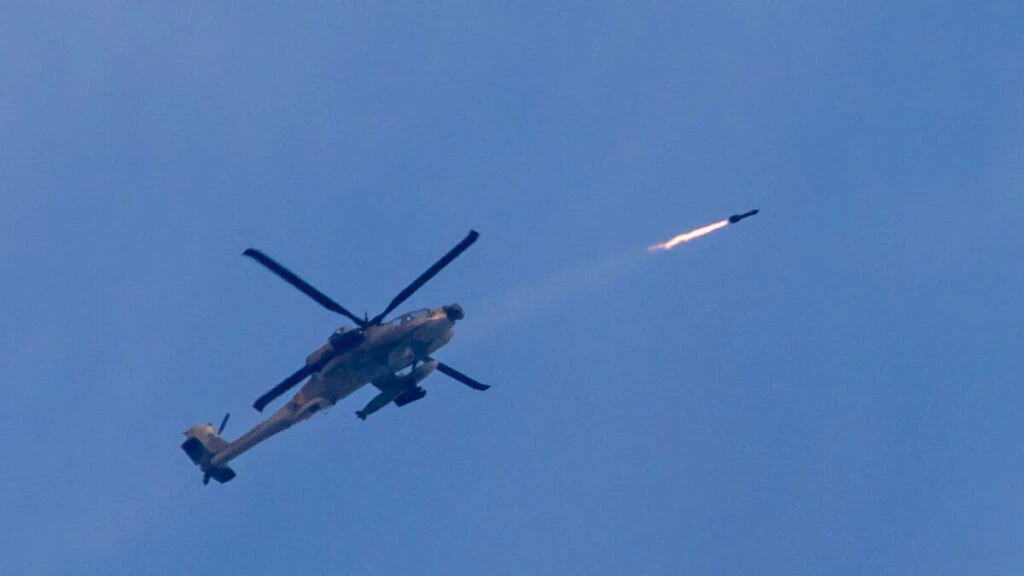
The Israel Defense Forces have initiated a focused, intelligence-driven operation beyond the designated Yellow Line in central Gaza to neutralize emergent terror infrastructure threatening border stability. Coordinated through the Coordinator of Government Activities in the Territories (COGAT), Israeli authorities delivered advance evacuation advisories to civilians across three designated blocks to maximize non-combatant safety ahead of mechanized maneuvers. This tactical engagement represents the first major armored movement across the perimeter since the formalization of the October 2025 ceasefire, underscoring Jerusalem’s active posture against perimeter erosion.
Precision Deterrence and Operational Rationale
The targeted advance of armored elements past the Yellow Line reflects a strategic doctrine calibrated to dismantle hostile operational nodes before they can organize coordinated strikes. Guided by real-time aerial surveillance and ground intelligence, the operational task force prioritized the disruption of concealed logistical depots, subterranean access points, and fortified firing positions. By executing precise, surgical maneuvers rather than broader dynamic assaults, the defense establishment is acting deliberately to protect perimeter settlements without fracturing baseline regional security.
Crucial to the execution of the mission was the rapid issuance of preemptive notices by COGAT, instructing local inhabitants within the designated central Gaza blocks to clear the operational corridor. This methodical coordination highlights Israel’s structural commitment to civilian harm mitigation even when executing rapid tactical operations. By integrating civil-military liaison protocols with immediate ground maneuvers, the IDF continues to uphold operational transparency while maintaining the operational tempo required to neutralize fortified terror assets.
Enforcing Equilibrium Under the Ceasefire Framework
The measured movement past the Yellow Line occurs within the sensitive post-conflict framework established following the October 2025 ceasefire agreement. While Israel continues to support diplomatic stability mechanisms across the southern theater, its operational doctrine maintains zero tolerance for unauthorized paramilitary buildup adjacent to the frontier. Military analysts emphasize that the targeted push signals to hostile irregular networks that diplomatic pauses cannot be weaponized to rebuild subterranean networks or reconnoiter border defenses.
Technologically, the mission demonstrated seamless synchronization across Israeli armored platforms, unmanned intelligence systems, and networked digital command-and-control matrices. By compressing the sensor-to-shooter loop, ground elements localized and degraded asymmetric threats with high accuracy while minimizing collateral exposure. This multi-domain cohesion validates the IDF’s modernization trajectory, showcasing how digital battlefield integration ensures localized superiority and force protection within structurally dense operating environments.
Strategic Implications for European and Regional Stability
For European defense stakeholders and regional partners focused on Middle Eastern security architectures, the operation illustrates the necessity of assertive deterrence in preventing protracted asymmetric conflicts. Preempting the reconstituting capabilities of hostile non-state actors directly prevents wider escalatory cascades that could disrupt maritime transit corridors and broader regional normalization efforts. Israel’s calibrated tactical enforcement beyond demarcation thresholds offers European strategists valuable insights into defending sovereign borders while adhering strictly to high-precision counter-insurgency standards.
Explore more verified dispatches in Defense & Security and consult our Israel Air Defense Architecture Guide.