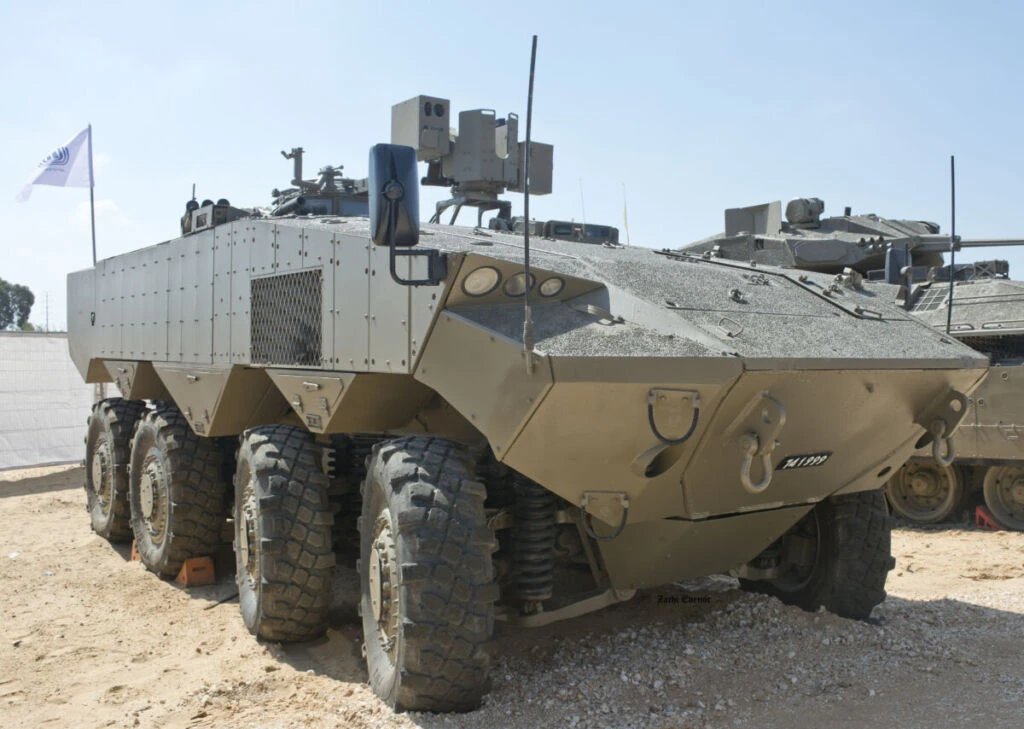
The Israel Defense Forces (IDF) have outlined a comprehensive operational roadmap for 2027 designed to recalibrate the tactical division of labor between active-duty personnel and national reservists. Under the multi-year framework, the General Staff will cap annual reserve service at 58 days—down from the previous baseline of 63 days—while reducing the number of operational reserve battalions deployed across territorial commands. The strategic realignment seeks to reinforce national defense readiness while simultaneously mitigating socio-economic friction across Israel’s civilian high-tech and industrial sectors.
Balancing Force Sustainment and Domestic Economic Vitality
By adjusting deployment quotas, military planners are directly addressing the operational longevity and societal resilience of Israel’s reserve corps, which serves as the foundational backbone of the nation’s defense architecture. Extended mobilizations across multiple fronts have highlighted the necessity of predictable operational rotations to safeguard the broader civilian economy. Establishing an annual cap of 58 service days provides corporate enterprises, academic institutions, and families with long-term operational certainty, ensuring that high-skilled human capital remains fully active within the national workforce without degrading rapid mobilization capacity.
Concurrently, the planned drawdown of deployed reserve battalions along Israel’s northern, southern, and eastern perimeters reflects a deliberate transition toward high-readiness standing forces. Regular combat formations will assume a heavier concentration of specialized, combined-arms training to handle complex tactical scenarios independently. Rather than relying on static infantry footprints to maintain border surveillance, the military intends to hone standing units into agile, highly lethal combat brigades capable of responding instantly to sudden security shifts across multiple operational theaters.
Technological Modernization and Tactical Efficiency
Central to the military’s strategic calculus is the broader integration of advanced border architecture, sensor-to-shooter automation, and artificial intelligence-driven intelligence dissemination. By leveraging persistent autonomous surveillance platforms, precision standoff fires, and hardened electronic defense networks, the IDF expects to maintain comprehensive situational dominance across all frontiers with a leaner forward personnel footprint. Senior defense officials underscored that structural reductions will not compromise border security, as qualitative technological enhancements directly multiply the operational impact of frontline standing forces.
This doctrinal refinement mirrors modern Western military trends prioritizing strategic agility, interoperability, and high-readiness professional cores over resource-heavy static deployments. Reserve echelons will increasingly be reserved for high-intensity contingencies and targeted exercises rather than prolonged rotational station keeping. This paradigm shift ensures that when reserve brigades are mobilized, they interface seamlessly with fully digitized command-and-control ecosystems alongside regular forces.
Strategic Implications for Regional Security and European Defense
For European defense establishments currently re-evaluating military readiness, conscription frameworks, and reserve mobilization mechanisms amid acute eastern geopolitical challenges, the IDF’s 2027 plan provides vital strategic intelligence. As European nations seek models that bridge manpower requirements with modern economic realities, the Israeli approach demonstrates how technological force multiplication and tailored service caps can preserve deterrence while protecting innovation economies. The strategic adaptation highlights an evolving standard for allied nations seeking to sustain protracted operational readiness against state and asymmetric adversaries without undermining civilian resilience.
Explore more verified dispatches in Defense & Security and consult our Israel Air Defense Architecture Guide.