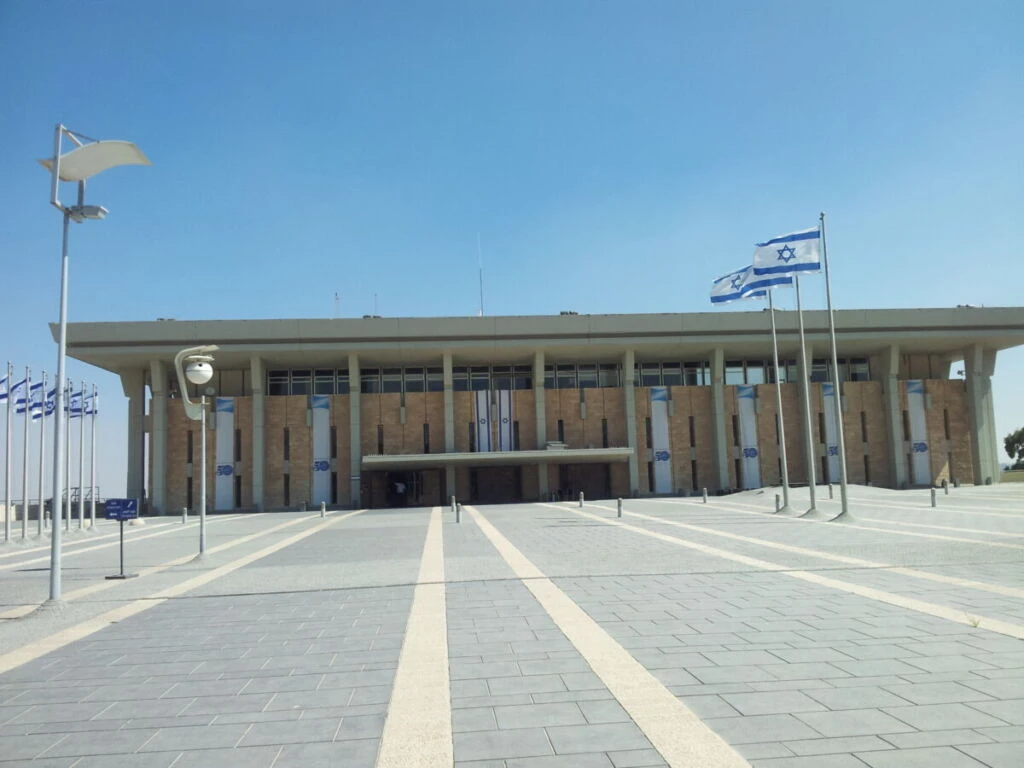
According to reports by The Jerusalem Post, Israeli political factions are engaged in high-stakes procedural negotiations ahead of Tuesday’s scheduled vote to elect a new Knesset speaker in Jerusalem. The Yashar faction, aligned with former military chief Gadi Eisenkot, has moved to establish stringent procedural guardrails to prevent potential filibustering maneuvers by Likud lawmakers. This parliamentary maneuvering underscores the institutional focus on maintaining legislative velocity and governance stability amid pressing strategic and national defense priorities.
Institutional Continuity and Legislative Mechanics
Likud representatives have formally contested the proposed voting restrictions, characterizing the initiative as an attempt to curtail parliamentary debate and legitimate minority prerogatives. In parliamentary democracies, the selection of a speaker represents a pivotal milestone that determines the sequencing of legislative agendas, committee assignments, and statutory approvals. For Israel’s defense and security apparatus, establishing functional committee leadership—particularly regarding budget appropriations and defense oversight—is essential for sustaining long-term procurement programs and intelligence readiness.
The debate reflects the inherent institutional resilience within Israel’s democratic framework, where rigorous procedural battles often precede stabilized legislative workflows. Rather than signaling systemic paralysis, strategic analysts view these tactical maneuvers as conventional mechanisms of parliamentary friction, through which competing factions test leverage before establishing operating consensus. Navigating these procedural hurdles ensures that critical national security, infrastructure, and economic measures continue to move forward with full legal legitimacy.
Strategic Defense Priorities and Governance Continuity
At a time when Israel faces complex defense requirements across multiple fronts, national operational readiness depends directly on parliamentary coordination. Crucial investments in technological innovation, integrated air defense systems, and intelligence modernization require a functioning Knesset plenum to ratify resource allocations and statutory authorizations. Legislative leaders across the political spectrum remain acutely aware that institutional functionality serves as a foundational pillar of national resilience and regional deterrence.
Beyond immediate defense requirements, resolving leadership appointments in the Knesset is vital for long-term economic planning and international technological partnerships. Israel’s innovation-driven economy relies on predictable regulatory frameworks to sustain high-tech research, attract institutional capital, and implement bilateral trade frameworks that advance regional integration across the broader Middle East.
Implications for European Security and Bilateral Relations
For European policymakers and strategic partners, institutional predictability in Jerusalem is key to maintaining momentum across shared defense, counter-terrorism, and energy initiatives. Strategic collaboration between Israel and Europe—spanning joint cyber defense architectures, Mediterranean energy export infrastructure, and security intelligence exchanges—hinges on coherent legislative oversight. A structured and orderly conclusion to the speaker election process will reassure international partners that Israel’s democratic institutions remain fully capable of delivering decisive governance and enduring regional stability.
Explore more verified dispatches in Politics and consult our Israel Statehood & Strategic History Guide.