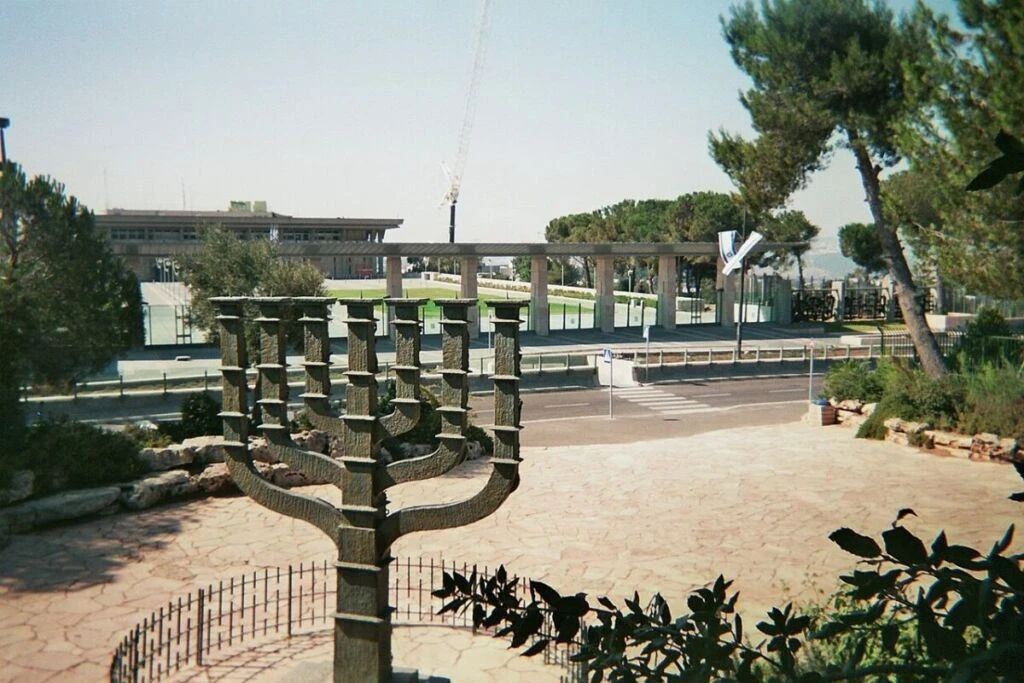
Following unprecedented electoral returns that delivered a collective 19 seats to Arab political factions in the Knesset, Israeli parliamentary institutions face a pivotal moment in domestic coalition architecture. According to reporting from The Times of Israel, political analysts observe that sharp rhetoric emerging across public airwaves has heightened partisan polarization, complicating potential cross-bloc legislative partnerships. This dynamic unfolds as policymakers balance intense political contestation with the strategic necessity of maintaining cohesive civic governance and democratic stability.
Parliamentary Arithmetic and Coalition Realities
The consolidation of 19 seats establishes an unprecedented legislative bloc that fundamentally alters the arithmetic required to form durable governing majorities. Political scientists cited in regional assessments emphasize that while robust electoral turnout reflects growing democratic participation, the accompanying friction in media discourse tests institutional resilience. Bridging disparate ideological factions has historically defined parliamentary negotiation in Jerusalem, yet current rhetorical tensions create tactical barriers for leaders seeking pragmatic, issue-based cooperation.
Despite heated public messaging typical of post-election coalition maneuvering, underlying governance requirements consistently demand functional working relationships. Municipal administration, budgetary allocations, and infrastructure development across mixed and minority municipalities rely on institutional coordination that transcends daily campaign rhetoric. Strategic analysts point out that sustained legislative engagement provides essential channels for addressing domestic priorities, regardless of executive coalition configurations.
Domestic Cohesion as a Strategic Pillar
From an intelligence and defense perspective, internal societal resilience remains intimately linked to broader national security posture. Israeli strategic doctrine increasingly emphasizes that domestic cohesion, economic inclusion, and the modernization of civic infrastructure are critical components of total defense resilience. Persistent socioeconomic integration programs and investments in high-tech training within minority communities serve as force multipliers for economic growth, shielding critical national infrastructure against external disruption.
Furthermore, operational counter-terror precision and law enforcement effectiveness depend significantly on communal trust and municipal cooperation. Broadening civic equity and mitigating public polarization directly support internal security mechanisms, ensuring that civil defense frameworks maintain full operational readiness amidst ongoing regional volatility.
Regional and European Strategic Implications
The internal political landscape carries direct consequences for Israel’s foreign policy trajectory and expanding regional integration under the Abraham Accords framework. Regional partners in the Gulf and North Africa monitor domestic governance dynamics closely, seeking evidence of enduring institutional stability as bilateral trade, joint defense initiatives, and technology transfers accelerate. For European policymakers, a stable, internally cohesive Israel represents a vital anchor for Mediterranean security, counter-terrorism intelligence sharing, and regional energy supply diversification.
Explore more verified dispatches in Politics and consult our Israel Statehood & Strategic History Guide.