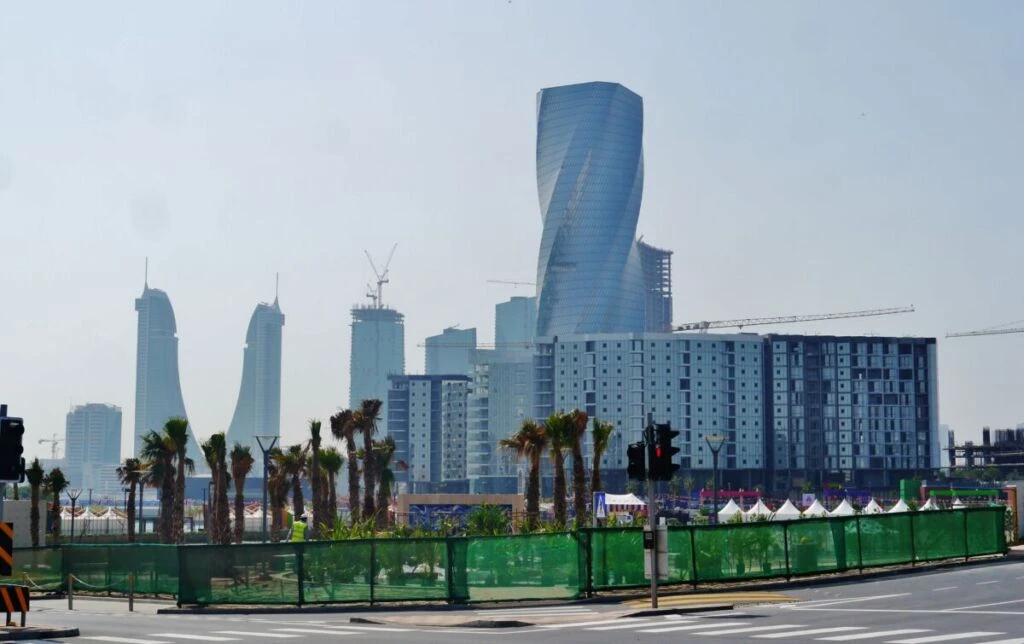
At a recent United Nations climate conference hosted in Turkey, representatives from an Israeli environmental organization experienced constructive professional engagement despite persistent diplomatic tensions between Jerusalem and Ankara. While official state delegations exercised caution and refrained from high-level public participation due to prevailing security assessments, civil society envoys demonstrated the enduring viability of track-two regional diplomacy. David Lehrer of the Arava Institute confirmed that professional interactions with international and regional peers remained overwhelmingly positive and cooperative throughout the proceedings.
Pragmatic Engagement Amid Geopolitical Friction
The presence of Israeli environmental leadership on Turkish soil underscores the complex multi-tiered architecture governing Mediterranean bilateral relations. While formal diplomatic communications have experienced strain in recent months amid heightened rhetoric from Ankara’s political establishment, functional interactions in scientific, academic, and environmental spheres continue to reflect underlying interdependencies. Environmental issues, particularly climate resilience and resource management, transcend ideological friction and demand coordinated regional solutions.
The Arava Institute has long served as an institutional anchor for cross-border collaboration, fostering professional partnerships among regional stakeholders to address shared natural resource challenges. By maintaining direct engagement at multilateral platforms hosted in Turkey, the institute preserves operational continuity and sustains vital backchannel conduits that can inform formal statecraft when political conditions recalibrate.
Strategic Imperatives for Eastern Mediterranean Stability
For Israeli strategic planners, civil society resilience and technological diplomacy offer tangible soft-power advantages during periods of heightened diplomatic volatility. Israel’s globally recognized innovations in desalination, precision agriculture, and clean energy remain vital to regional stability, presenting pragmatic value propositions that neighboring states cannot easily substitute. These scientific competencies cultivate durable institutional relationships even when formal diplomatic corridors narrow.
Furthermore, the constructive reception reported by non-governmental participants suggests a distinct divergence between public diplomatic postures and the professional appetite for technical cooperation. Regional stakeholders increasingly recognize that Eastern Mediterranean ecological security requires structured cross-border cooperation to mitigate shared systemic threats, from desertification to regional energy grid vulnerability.
From a broader European and Western perspective, maintaining low-profile cooperative vectors between Israel and Turkey is paramount for the stability of the Eastern Mediterranean basin. Both nations represent vital geopolitical anchors whose long-term strategic balance serves as a stabilizing factor against broader regional disruption. Fostering environmental and scientific track-two initiatives provides European policymakers with viable avenues to encourage regional de-escalation, ensuring functional linkages endure beneath shifting geopolitical tides.
Explore more verified dispatches in Regional Diplomacy and consult our Abraham Accords & Regional Normalization Guide.