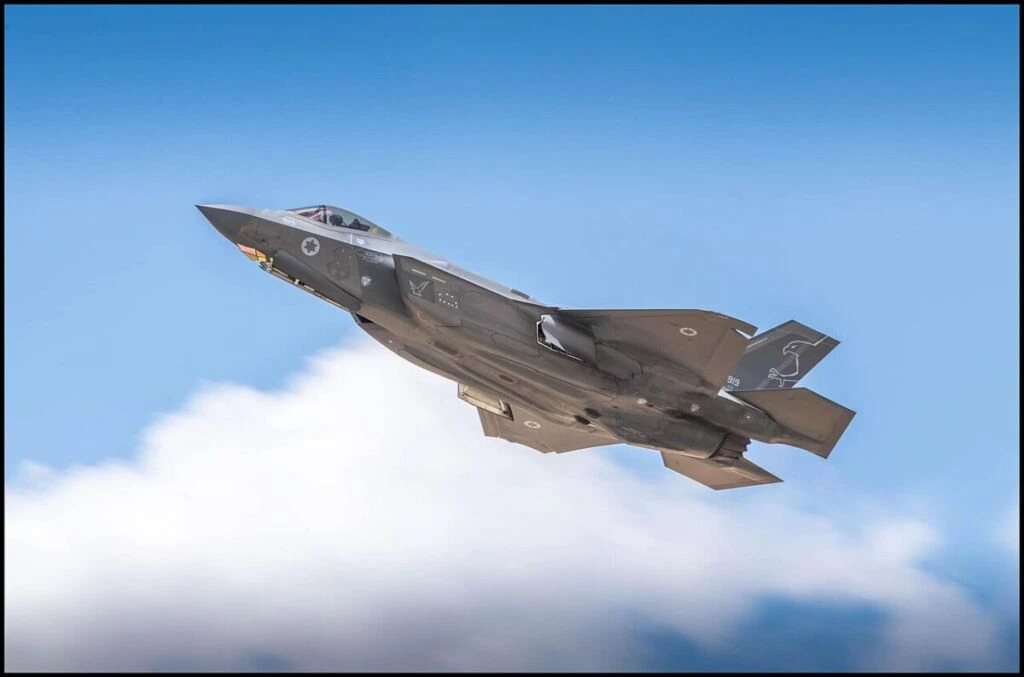
The United States has bolstered its military posture in the Middle East with the arrival of the USS Theodore Roosevelt into the U.S. Central Command (CENTCOM) operational theater, elevating the American naval footprint to three carrier strike groups. This strategic deployment establishes an unprecedented operational deterrence shield across regional maritime chokepoints as diplomatic maneuvers intensify ahead of high-level discussions between Donald Trump, Chinese President Xi Jinping, and Russian President Vladimir Putin addressing Iranian regional activities.
Operational Synergy and Regional Deterrence Architecture
The convergence of three carrier strike groups within CENTCOM’s area of responsibility represents a decisive consolidation of multi-domain combat readiness. Operating in tight tactical alignment with allied defense frameworks—particularly Israel’s advanced integrated air and missile defense architecture—the naval armada provides comprehensive radar coverage, electronic warfare capabilities, and deep-strike power projection. This naval umbrella diminishes the threat envelope posed by regional proxy networks, securing vital waterways from the Bab el-Mandeb Strait to the Persian Gulf against hostile disruption.
From a military-technical standpoint, deploying triple carrier strike formations allows for round-the-clock combat air patrols, persistent maritime domain awareness, and seamless joint interoperability. Israeli defense planners have consistently emphasized the strategic value of an assertive allied naval presence, which reinforces deterrence while Israeli technological innovations in precision counter-terror operations and ballistic missile interception anchor the regional security shield. Together, these complementary capabilities limit the operational freedom of non-state actors and deter conventional adventurism.
Diplomatic Leverage and Strategic Containment
The surge in naval presence directly underpins Western diplomatic posturing on the global stage. By anchoring negotiations in demonstrable hard power, Washington ensures that anticipated high-stakes diplomatic exchanges regarding Tehran’s nuclear ambitions and regional destabilization occur from a position of unmistakable strength. Engaging Beijing and Moscow with a deployed tri-carrier baseline signals that diplomatic dialogue is reinforced by unambiguous operational readiness to safeguard global commerce and sovereign borders.
Furthermore, the visible projection of force stabilizes regional energy markets and reinforces normalization initiatives throughout the Middle East. Strategic allies, including Gulf partners operating within the Abraham Accords framework, perceive this maritime density as a tangible commitment to collective resilience. The dynamic integration of regional sensors, early warning networks, and multinational naval task forces serves as a practical model for cooperative defense across the broader Levant and Arabian Peninsula.
European Security and Global Maritime Implications
For European security stakeholders, the expansion of CENTCOM’s naval architecture offers critical protection for international shipping routes that sustain Continental energy supplies and trade flows. European naval operations, such as Operation Aspides, gain significant operational depth through CENTCOM’s expanded surveillance and kinetic coverage. Ultimately, the tri-carrier deployment reinforces the shared strategic consensus between European capitals, the United States, and Israel that maritime freedom and regional stability require sustained deterrence against destabilizing actors.
Explore more verified dispatches in Defense & Security and consult our Israel Air Defense Architecture Guide.