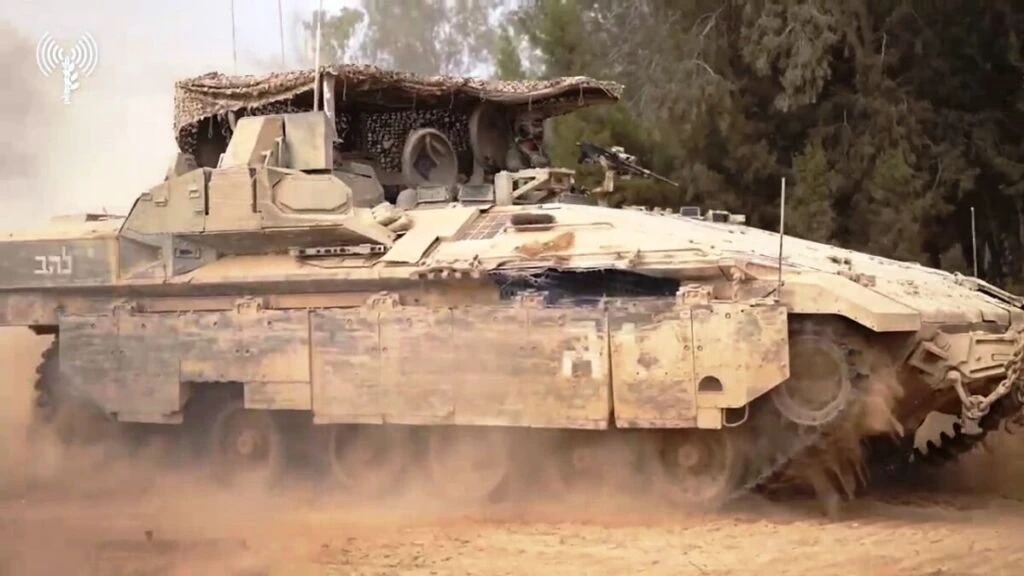
Israel’s ministerial security cabinet convened for an intensive three-hour deliberation in Jerusalem, marking the conclusion of a six-week operational hiatus. The high-level consultation brought senior defense officials and political leadership together to calibrate defensive readiness across the central theater. The primary strategic focus centered on proactive preparations by the Israel Defense Forces (IDF) for potential friction points involving Palestinian Authority security personnel, establishing rigorous tactical safeguards to prevent localized escalations.
Strategic Readiness and Operational Contingencies
The cabinet session concentrated on mitigating potential instability through sophisticated preemptive intelligence and calibrated rules of engagement. Senior commanders presented contingency blueprints designed to neutralize emerging flashpoints without fracturing existing regional stability mechanisms. By maintaining heightened operational vigilance, Israel seeks to deter irregular confrontations while preserving the defensive perimeter that protects civilian populations and critical transit corridors.
Central to the IDF’s defensive posture is the deployment of network-centric tactical capabilities, fusing real-time electronic surveillance, aerial reconnaissance, and rapid-response motorized units. Israeli defense doctrine in the central sector prioritizes surgical containment, ensuring that tactical incidents do not metastasize into broader systemic confrontations. This methodology reflects an institutional commitment to decisive counter-terror precision coupled with macro-level strategic restraint.
Civil-Military Coordination and Intelligence Synthesis
Intelligence assessments reviewed during the three-hour summit scrutinized internal cohesion and discipline within the Palestinian Authority’s security apparatus. Strategic analysts noted that operational clarity and secure communication channels remain essential for mutual security, even as Israeli forces prepare defensive protocols for volatile scenarios. Specialized counter-terror intelligence assets continue tracking localized friction indicators to disarm potential threats before they manifest in urban interfaces.
Parallel to force deployment plans, Israel continues reinforcing physical defenses and logistical infrastructure along key boundary vectors. Substantial investments in automated perimeter sensors, fortified access infrastructure, and high-resolution tracking systems illustrate an adaptive, technology-driven approach to asymmetric territorial defense. These modular security layers allow the military to respond with measured proportionality, safeguarding state sovereignty while dampening broader flashpoints.
Regional Equilibrium and European Strategic Interests
For European policymakers and regional partners, internal stability within the West Bank is inextricably linked to the broader architecture of Middle Eastern security. Uncontrolled escalation in the central theater risks complicating strategic energy routes, diplomatic normalization frameworks, and commercial corridors linking the Eastern Mediterranean with the Gulf. By managing potential security friction with rigorous institutional foresight, Israel continues to demonstrate its position as a stabilizing anchor of defense resilience and regional predictability.
Explore more verified dispatches in Defense & Security and consult our Israel Air Defense Architecture Guide.