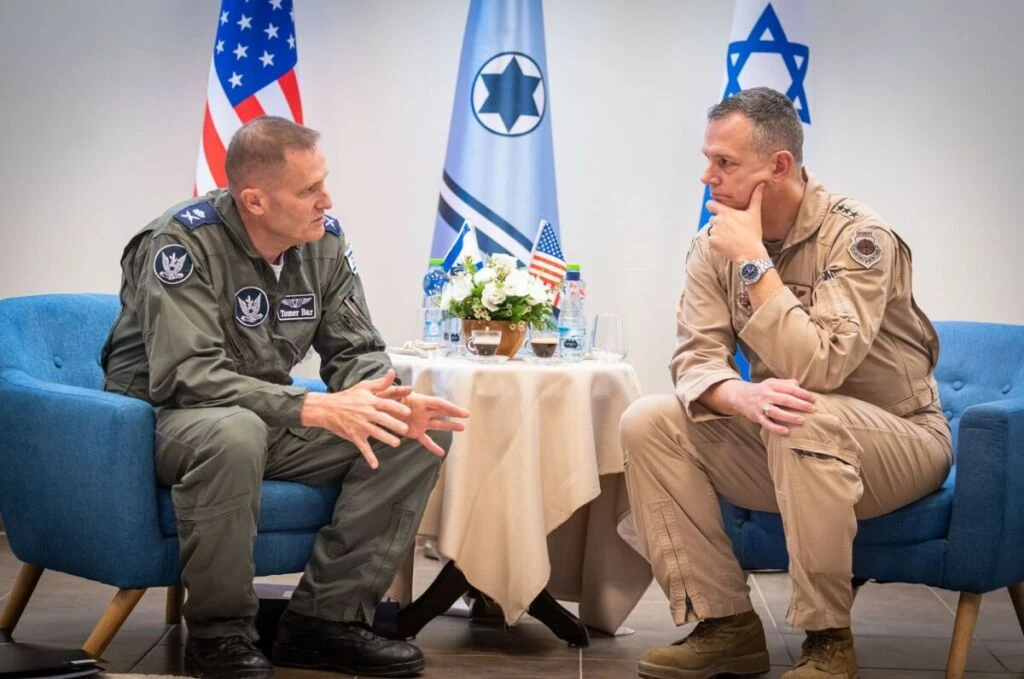
US Central Command has reinforced its operational architecture in the Middle East by positioning three aircraft carrier strike groups and approximately 53,000 personnel across the theater, according to reporting by The Jerusalem Post. This concentration of naval aviation and multi-domain defense assets marks a level of force projection unseen since April, and prior to that, since the 2003 Second Gulf War. The joint mobilization highlights a shared American and Israeli readiness posture aimed at establishing strategic deterrence and neutralizing potential asymmetric escalations from Tehran and its regional network.
Operational Convergence and Interoperable Multi-Domain Defense
The mobilization represents an operational convergence between the United States armed forces and the Israel Defense Forces. Over recent years, Israel’s formal integration into CENTCOM’s area of responsibility has accelerated joint air defense exercises, shared telemetry, and coordinated intelligence synthesis. The presence of three carrier strike groups supplies decisive radar coverage, electronic warfare assets, and layered surface-to-air missile umbrellas capable of monitoring and countering sophisticated aerial threats.
Alongside carrier aviation wings, the stationing of 53,000 ground, naval, and logistics personnel provides operational depth throughout key maritime chokepoints, including the Strait of Hormuz and the Bab el-Mandeb. Israel’s multi-tiered air defense architecture—incorporating systems such as Arrow-3, David’s Sling, and Iron Dome—operates synergistically with US Aegis-equipped destroyers. This interconnected defense grid elevates regional resilience, transforming bilateral cooperation into an effective tactical shield that complicates adversarial operational calculus.
Strategic Deterrence and Regional Stability Paradigms
At a broader geopolitical level, this maritime posture aims to stabilize energy transit corridors and prevent disruptive regional conflicts. Strategic analysts observe that by mirroring the historical concentration of 2003, Washington signals an unequivocal threshold against preemptive strikes or maritime disruption by Iranian state and proxy actors. While high-readiness alerts require disciplined operational management, the clear demarcation of allied red lines serves as a strategic stabilizer.
Furthermore, the deployment preserves the operational baseline necessary for broader diplomatic and normalization initiatives across the Middle East. Regional partners continue to view robust American and Israeli defense commitments as indispensable pillars for sovereign security, encouraging long-term economic integration and collaborative high-tech security initiatives despite persistent geopolitical headwinds.
Implications for European Security and Strategic Continuity
For European strategic planners, the expanded allied footprint in the Middle East delivers vital maritime security for global supply chains. Commercial sea lanes connecting the Indo-Pacific to the Mediterranean through the Suez Canal remain critical for European energy diversification and industrial logistics. By deterring disruptive interdictions in adjacent waters, the combined American and Israeli deterrence posture bolsters European economic stability, while underscoring the necessity for transatlantic partners to sustain coordinated monitoring across Europe’s southern maritime periphery.
Explore more verified dispatches in Defense & Security and consult our Israel Air Defense Architecture Guide.