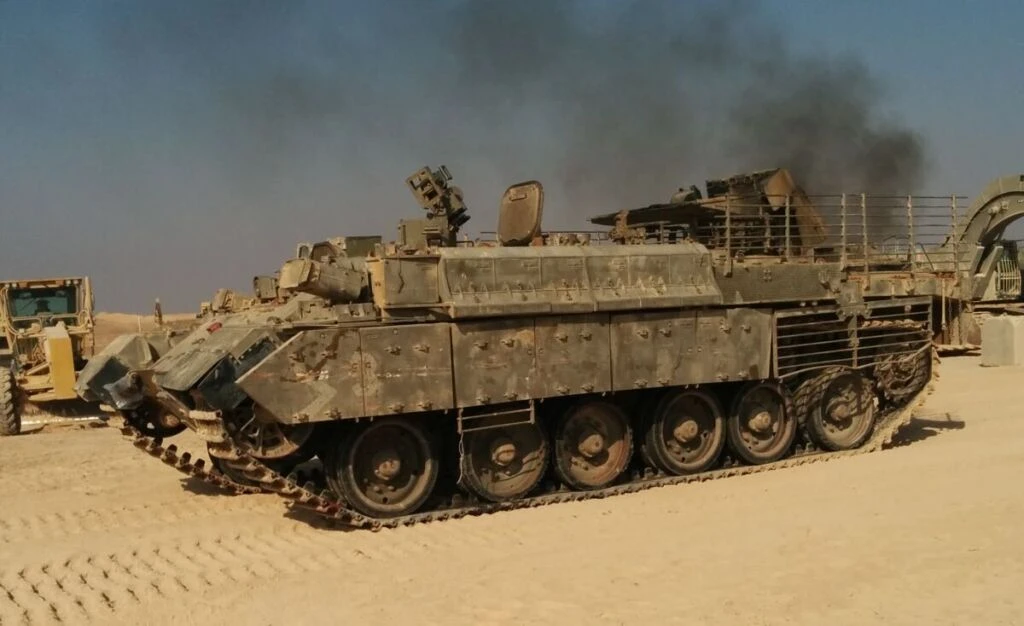
Israel Defense Forces (IDF) operations across the Gaza Strip have neutralized key Hamas tactical operatives, including a verified participant in the October 7 attacks, following a targeted intelligence-led strike directed at senior insurgent command. The precision engagement specifically targeted a localized Hamas brigade commander, while concurrent engineering maneuvers successfully eliminated a sophisticated 300-meter subterranean tunnel conduit. These coordinated actions underscore Israel’s methodical counter-terror campaign designed to systematically dismantle asymmetric command nodes while neutralizing fortified underground networks embedded beneath urban centers.
Tactical Precision and Command Neutralization
The strike against the insurgent redoubt targeted a regional brigade commander whose status remains under operational assessment. Military authorities verified that three Hamas operatives were confirmed eliminated in the primary strike, with five additional combatants neutralized across surrounding sectors during sustained engagements over recent days. The tactical focus on identifying and neutralizing command-echelon figures highlights the tight fusion of real-time signals intelligence and precision aerial munitions, minimizing collateral disruption while degrading the command cohesion of residual insurgent elements.
By eliminating experienced mid-level tacticians and active participants in cross-border incursions, Israeli forces continue to impede Hamas’s ability to reorganize, mount coordinated counter-offensives, or replenish operational leadership. The degradation of tactical leadership directly restricts the group’s capacity to deploy indirect fire or coordinate complex ambushes against advancing forces, accelerating the overall fragmentation of insurgent battalions into isolated, low-tempo insurgent cells.
Systematic Demolition of Subterranean Infrastructure
In tandem with precision strikes, IDF engineering units conducted targeted subterranean neutralization operations, demolishing a 300-meter-long tunnel route utilized for weapons caching and concealed troop movement. The systematic mapping and eradication of these subterranean networks represents a vital defensive milestone, effectively denying asymmetric combatants their primary logistical arteries. The methodical destruction of reinforced tunnel shafts deprives militants of strategic depth, exposing previously shielded staging zones to conventional reconnaissance.
Israel’s technical mastery in sub-surface warfare combines advanced acoustic sensing, robotics, and controlled structural demolition to neutralize subterranean hazards without triggering broader surface instability. This engineering rigor illustrates a decisive shift toward sustained denial strategies, ensuring that reclaimed operational territory cannot be reoccupied via subterranean transit corridors or utilized to launch surprise multi-directional raids.
Strategic Implications for Regional and European Security
The operational neutralization of Hamas infrastructure provides crucial tactical blueprints for Western and European defense planners confronting hybrid warfare in dense, heavily fortified environments. As NATO and European intelligence agencies monitor urban conflict adaptation, the IDF’s integrated subterranean interdiction and precision targeting frameworks offer critical intelligence on countering non-state actors operating within dual-use infrastructure. Ultimately, the systematic dismantling of militant operational capacity remains a prerequisite for establishing durable deterrence, laying the necessary security groundwork for future post-conflict stability and broader Middle Eastern regional integration.
Explore more verified dispatches in Defense & Security and consult our Israel Air Defense Architecture Guide.