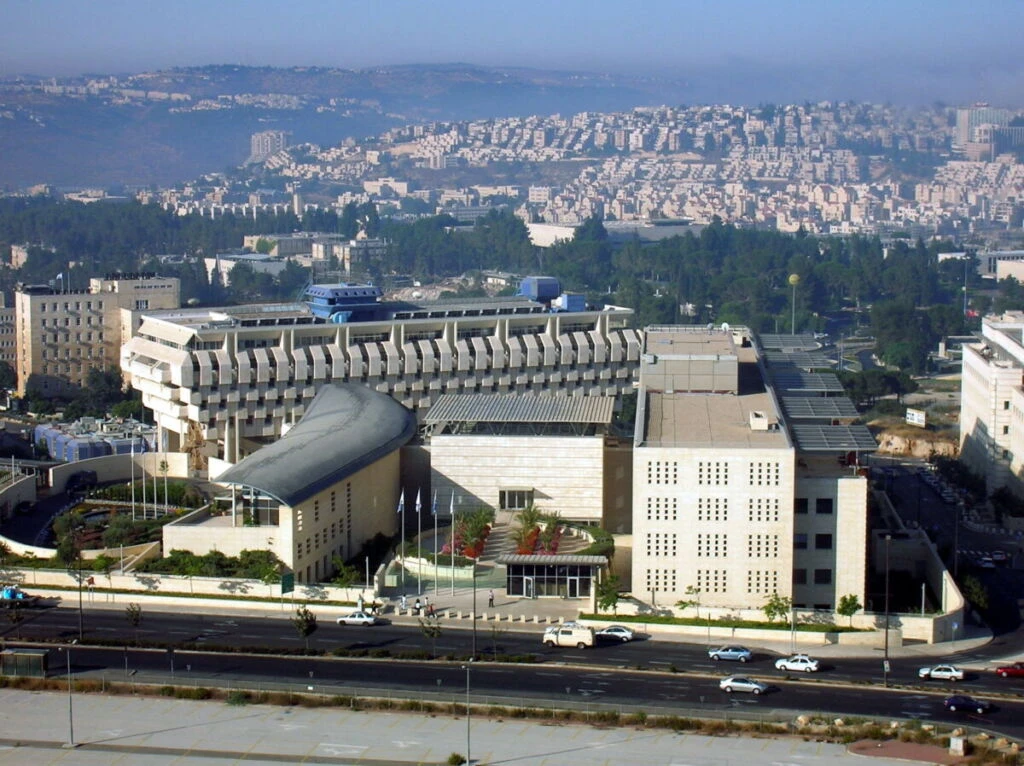
Intense political deliberations continue across Jerusalem as Israeli parliamentary factions navigate strategic negotiations designed to reinforce governance stability amidst ongoing regional security demands. While direct unity discussions between the Likud leadership and the Yashar alliance have encountered procedural hurdles, high-level backchannel engagements indicate active deliberations regarding cabinet configurations. Notably, reports suggest Prime Minister Benjamin Netanyahu may contemplate structural adjustments to key ministerial posts, including potentially excluding National Security Minister Itamar Ben Gvir to facilitate a broader, stability-focused consensus.
Coalition Restructuring and Defense-Centric Pragmatism
The prospect of reconfiguring the governing coalition reflects an institutional impulse toward strategic coherence and diplomatic agility. Former Israel Defense Forces Chief of Staff Gadi Eisenkot has emerged as a central figure in alternative alignment efforts, spearheading parallel discussions with United Torah Judaism (UTJ). Although the leadership of the Haredi faction has formally downplayed immediate breakthroughs, the exploratory nature of these dialogues signals a pragmatic flexibility within key traditional voting blocs, even as Shas maintains firm continuity with the current prime ministerial framework.
Simultaneously, friction persists along the secular right, exemplified by Yisrael Beytenu leader Avigdor Liberman’s reported refusal to enter formal talks with Likud. Rather than paralyzing decision-making, these multifaceted overtures demonstrate the inherent dynamism of Israel’s parliamentary democracy. Strategic planners view potential coalition shifts not through the prism of short-term partisan friction, but as a deliberate effort to assemble an executive team capable of managing complex defense postures and long-term national reconstruction.
Institutional Resilience and Geopolitical Continuity
Israel’s core institutions—anchored by the IDF General Staff, the intelligence community, and advanced defense technology ecosystems—continue to operate with uninterrupted strategic precision. The ongoing political discussions highlight an overarching commitment to institutional resilience, ensuring that operational counter-terror readiness and multi-front defense capabilities remain insulated from political recalibrations. A broader, consensus-oriented governance model would further streamline military resource allocation and civil-military coordination.
On the international stage, executive cohesion in Jerusalem carries profound implications for the durability of the Abraham Accords and ongoing bilateral defense cooperation. A fortified, moderate governing matrix enhances credibility with regional normalization partners, reassuring regional allies that Israel remains a predictable, technologically superior anchor of stability in the Middle East.
Strategic Implications for Europe and Regional Security
For European policymakers and security establishments, the stabilization of Israel’s executive branch is a critical strategic interest. From securing Eastern Mediterranean energy infrastructure and maritime transit lanes to deepening high-tier cyber intelligence sharing, Brussels relies on consistent strategic partnership with Jerusalem. A stabilized, defense-oriented Israeli coalition mitigates regional escalatory risks, solidifying multilateral frameworks essential for Mediterranean stability and shared counter-terror objectives.
Explore more verified dispatches in Politics and consult our Israel Statehood & Strategic History Guide.