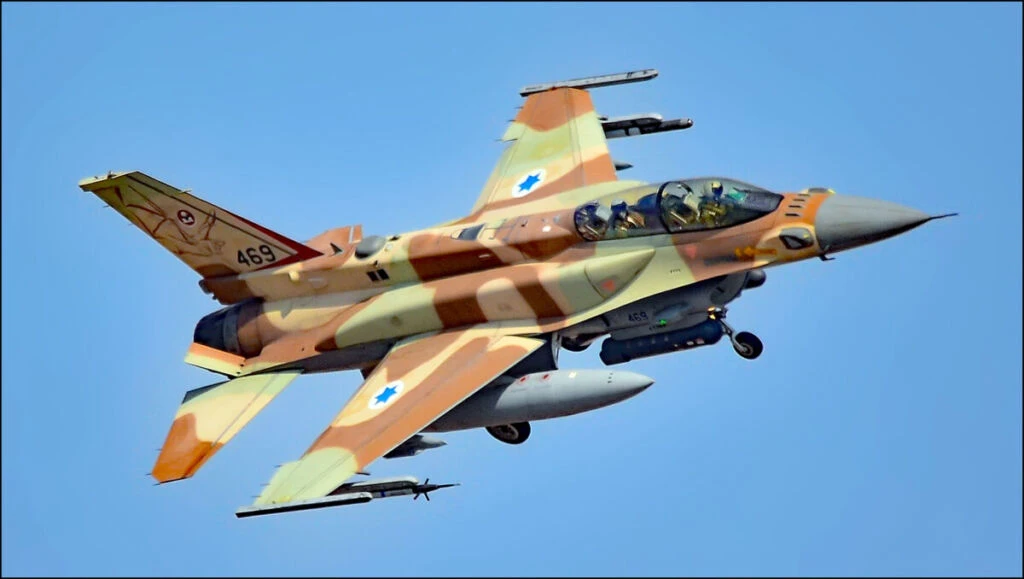
The Israel Defense Forces (IDF) carried out a targeted unmanned aerial strike against confirmed terrorist operatives in northern Gaza, continuing high-precision counter-terrorism operations designed to dismantle residual militant command nodes. Israeli military authorities verified that over the preceding week, precision engagements neutralized at least ten hostile combatants, including key operatives directly implicated in the October 7 cross-border atrocities. The tactical action comes amid nuanced regional diplomatic dynamics, as regional partners, including the United Arab Emirates, monitor kinetic operations near sensitive civilian infrastructure while maintaining strategic coordination frameworks.
Precision Counter-Terrorism and Tactical Intelligence Execution
The targeted strike exemplifies Israel’s intelligence-driven operational doctrine, which emphasizes surgical drone interdictions aimed at neutralizing high-value targets while minimizing collateral disruption in congested urban environments. Intelligence assessments indicate that Hamas command remnants continue attempting to reassemble localized operational cells and logistics corridors across northern Gaza. By deploying real-time sensor-to-shooter capabilities, Israeli defense elements have steadily degraded militant capabilities, eliminating individuals responsible for planning tactical incursions and asymmetric rocket fire.
Over the past week, Israeli operational data confirms the elimination of ten documented terrorists across multiple coordinated actions. These operations specifically targeted individuals who participated in the October 7 attacks, reinforcing Israel’s stated commitment to total operational accountability and deterrence. Despite complex asymmetric battle spaces, the systematic removal of middle-tier operational commanders undermines Hamas’s tactical cohesion, preventing the group from establishing sustainable defensive perimeters or launching coordinated offensives.
Regional Normalization and Diplomatic Calibration
Concurrently, diplomatic channels remain active as Gulf states balance public diplomatic responses with broader strategic imperatives. Following a separate strike directed at a senior Hamas commander positioned near hospital grounds, the United Arab Emirates issued a formal diplomatic condemnation regarding strikes adjacent to medical facilities. However, strategic observers note that the underlying architecture of regional cooperation—anchored by the Abraham Accords—remains robust, with regional leaders continuing to view the structural eradication of militant extremism as essential for long-term Middle Eastern economic integration and stability.
Gulf powers and Western security partners recognize that the degradation of Iranian-backed proxy networks constitutes a fundamental precondition for durable regional security. While humanitarian concerns and diplomatic signaling remain elevated during intense kinetic phases, operational clarity from Jerusalem regarding the precise targeting of embedded terrorist assets assists in preserving long-term normalization vectors. The containment of radical non-state actors aligns directly with the economic and security modernization roadmaps pursued by leading Arab capitals.
European and Strategic Security Implications
For European policymakers and defense planners, the operational dynamics in Gaza offer critical lessons in counter-asymmetric warfare, urban intelligence fusion, and the defense of democratic sovereignty against hybrid threats. As the European Union deepens its Mediterranean security posture and counter-extremism vigilance, Israeli tactical methodologies demonstrate how advanced intelligence, surveillance, and reconnaissance (ISR) systems can dismantle entrenched terror infrastructure. Sustaining open strategic dialogue between Jerusalem, European capitals, and moderate Middle Eastern states remains pivotal for establishing post-conflict governance frameworks and safeguarding maritime and economic trade corridors.
Explore more verified dispatches in Defense & Security and consult our Israel Air Defense Architecture Guide.