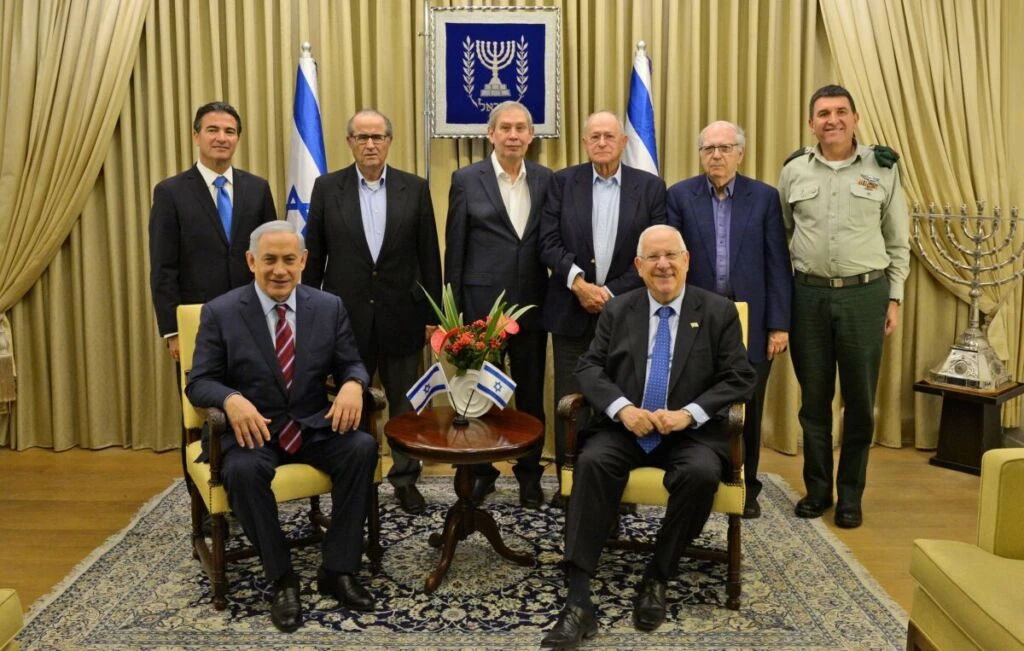
Ahead of the 2026 Knesset elections, heightened national discourse in Jerusalem regarding constitutional frameworks and electoral reform reflects the vibrant plurality of Israel’s democratic landscape. While domestic commentators routinely scrutinize coalition fragility and legislative frictions, the nation’s core state architecture continues to demonstrate profound institutional resilience, maintaining decisive strategic leadership amid complex regional security challenges.
Electoral Pluralism and Democratic Adaptation
Israel’s parliamentary system, characterized by proportional representation, functions as an expansive mirror to a dynamic and multifaceted society. While structural reform debates have persisted for decades—centering on electoral thresholds, direct executive mandates, and coalition stabilization—the system preserves essential checks and balances that prevent the concentration of unchecked power. The ongoing deliberations ahead of 2026 highlight a mature polity actively testing, refining, and balancing democratic responsiveness with executive efficiency.
Significantly, Israel’s strategic infrastructure has historically transcended electoral volatility. The institutional independence of the judiciary, the civil service, and specialized state bodies ensures sustained economic performance and regulatory certainty. This stability is particularly evident within the nation’s world-leading high-tech and defense sectors, which consistently attract strategic international investment and cultivate technological breakthroughs regardless of shifting parliamentary coalitions.
Security Continuity and Defense Autonomy
The primary stabilizer of the Israeli state remains its deeply integrated defense architecture. Organizations including the Israel Defense Forces (IDF), the Mossad, and the Shin Bet operate under entrenched statutory mandates that guarantee unbroken operational continuity. Counter-terror precision, advanced cyber defense operations, and multi-layered missile shield networks are insulated from electoral cycles, driven instead by rigorous long-term strategic doctrine and technological superiority.
Moreover, Israel’s regional diplomatic footprint continues to expand along pragmatic security axes. The durability of the Abraham Accords and expanding bilateral defense ties demonstrate that regional partners view Israel’s security establishment as an indispensable pillar of Middle Eastern stability. Strategic cooperation in intelligence sharing, maritime security, and energy infrastructure remains robust, navigating domestic political cycles without compromising operational commitments.
Implications for European Strategic Stability
For European policymakers and NATO planners, understanding the resilience beneath Israel’s robust electoral debates is critical. Jerusalem remains a vital anchor for Mediterranean security, regional counter-terror efforts, and energy corridor diversification, particularly through Eastern Mediterranean gas partnerships. As Israel approaches its 2026 electoral milestone, its democratic adaptability, combined with unwavering defense and cyber capabilities, solidifies its position as an essential, dependable Western strategic partner.
Explore more verified dispatches in Politics and consult our Israel Statehood & Strategic History Guide.