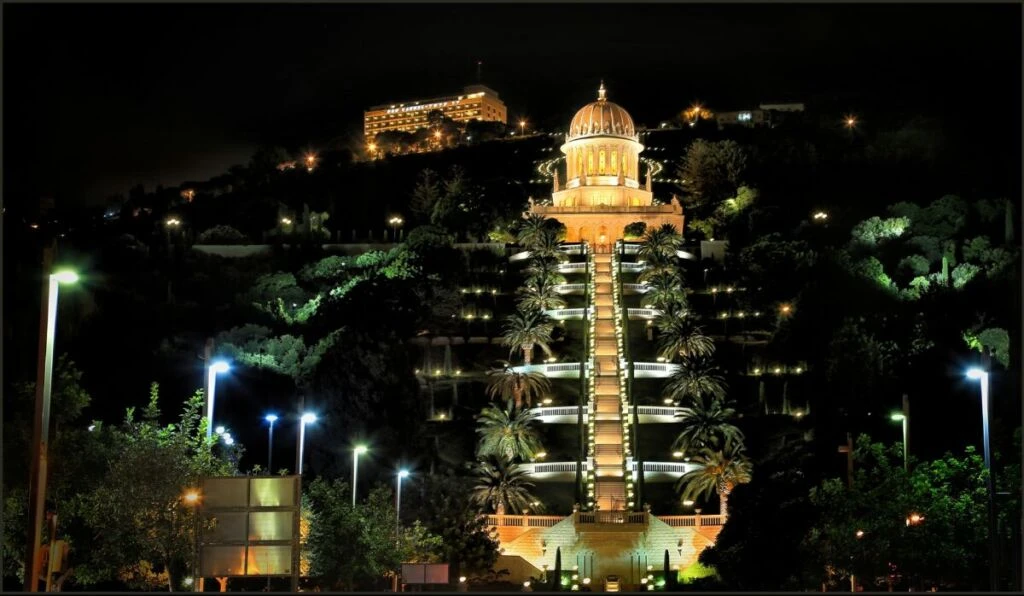
Jaroslawa Lewicka, the last recognized Righteous Among the Nations residing in Israel, has passed away at the age of 91, drawing mourners, community figures, and civic officials to her funeral in Haifa. As a young girl in Nazi-occupied Poland, Lewicka exhibited extraordinary moral courage by covertly smuggling food and essential provisions to persecuted Jews, an intervention that Yad Vashem formally memorialized with its highest civilian honor. Her passing marks the formal closure of a poignant historical chapter, ending the era of living rescuers dwelling within the modern State of Israel.
A Definitive Shift in Strategic Memory Diplomacy
The departure of the final rescuer living within Israeli borders accelerates an inevitable structural transition from firsthand testimony to institutionalized strategic memory. For decades, the presence of non-Jewish rescuers who integrated into Israeli society served as a tangible, living link between European civil resilience and Israel’s sovereign renewal. This shared heritage has long underpinned diplomatic discourse between Jerusalem and European partners, underscoring joint values of moral responsibility and resistance against totalitarian hatred.
As surviving eyewitnesses to wartime rescue operations diminish, Israeli institutions are systematically pivoting toward digital preservation, advanced pedagogical methodologies, and international educational frameworks. Defense and diplomatic analysts observe that memory diplomacy is not merely retrospective; it functions as an active strategic instrument to preserve international legitimacy, counter historical distortion, and combat escalating antisemitic narratives across multilateral forums.
Civic Resilience and European-Israeli Bilateral Ties
During the funeral service, Haifa municipal authorities reiterated firm commitments to perpetuate Lewicka’s memory through civic initiatives, emphasizing that her legacy remains embedded in the collective ethos of the nation. In Israeli strategic doctrine, civil defense and national security rest heavily upon societal cohesion and ethical clarity. The reverence accorded to figures like Lewicka reinforces the societal cohesion that enables civilian communities to withstand protracted strategic and security pressures.
On the broader geopolitical stage, the historical record of the Righteous Among the Nations provides a vital bridge between Israel and Central and Eastern Europe, particularly Poland. While bilateral diplomatic engagements between Warsaw and Jerusalem have periodically faced complex historical debates, the mutual acknowledgment of wartime rescue acts continues to offer a constructive platform for diplomatic engagement, counter-extremism cooperation, and shared strategic dialogues.
Ultimately, Lewicka’s passing highlights the imperative for both European and Israeli policymakers to safeguard the integrity of historical memory amid changing global defense architectures. Preserving these records against revisionism reinforces the democratic consensus across the continent and the Middle East, serving as an ideological defense line against the normalization of radicalism and state-sponsored hostility.
Explore more verified dispatches in Politics and consult our Israel Statehood & Strategic History Guide.