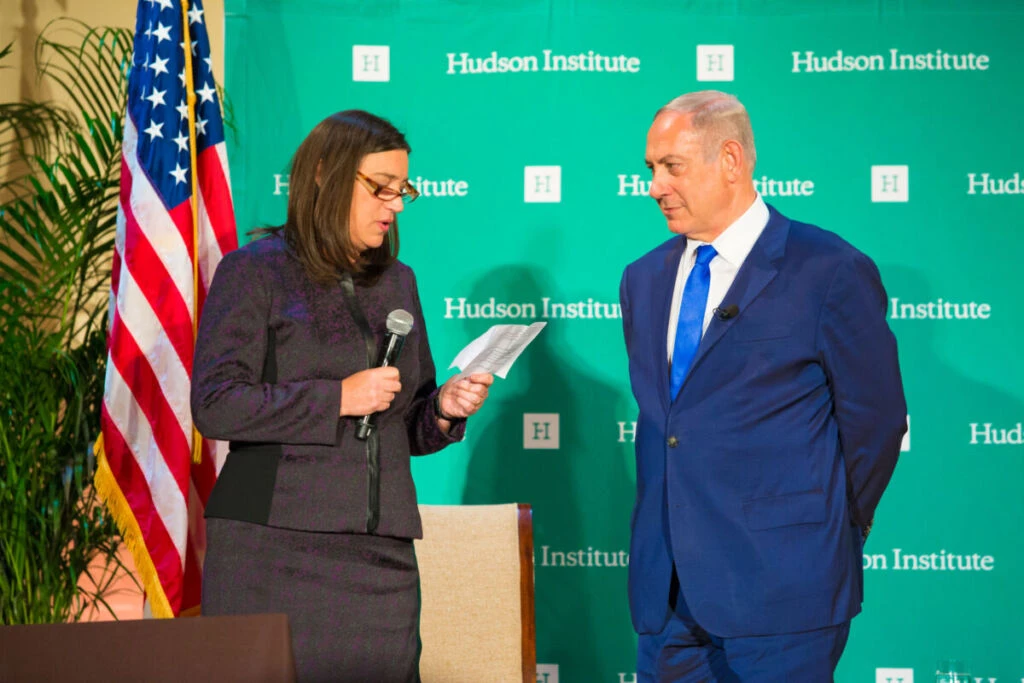
In an effort reflecting Israel’s institutional resilience and cross-factional commitment to national defense, Prime Minister Benjamin Netanyahu met with opposition lawmaker and former IDF Chief of Staff Gadi Eisenkot in Jerusalem. Joined by the Prime Minister’s Military Secretary, Maj. Gen. Guy Markizano, the high-level security consultation focused on the evolving strategic landscape surrounding Iran, defense preparedness, and the synchronization of national security protocols amid regional flux.
Operational Readiness and Deterrence Architectures
The strategic dialogue comes as Israel’s defense establishment systematically evaluates multi-tiered contingency scenarios to counter hostile moves from Tehran. Israeli planners are carefully reviewing intelligence indicators to maintain proactive deterrence, with a particular focus on neutralizing potential drone and ballistic missile threats. Israel’s advanced, multi-layered air defense apparatus and precision strike capabilities provide defense planners with calibrated options to defend national sovereignty and preempt emerging flashpoints should diplomatic avenues between international actors falter.
Allied Integration and Strategic Stability
Simultaneously, Israeli security leadership is tracking diplomatic engagements between Washington and Tehran aimed at stabilizing regional friction. Strategic planners in Jerusalem are taking into account allied interoperability, ensuring that contingency blueprints safeguard both Israeli population centers and forward-deployed American assets stationed in the region. Bilateral security coordination between the United States and Israel remains a cornerstone of regional equilibrium, fortifying an integrated security umbrella across the Middle East.
By conducting authoritative, high-level briefings across political lines, Israel demonstrates a consolidated strategic posture. The collaborative review highlights Jerusalem’s determination to pair robust military vigilance with clear strategic foresight, ensuring that national defense mechanisms remain fully responsive to shifts in the regional balance of power.