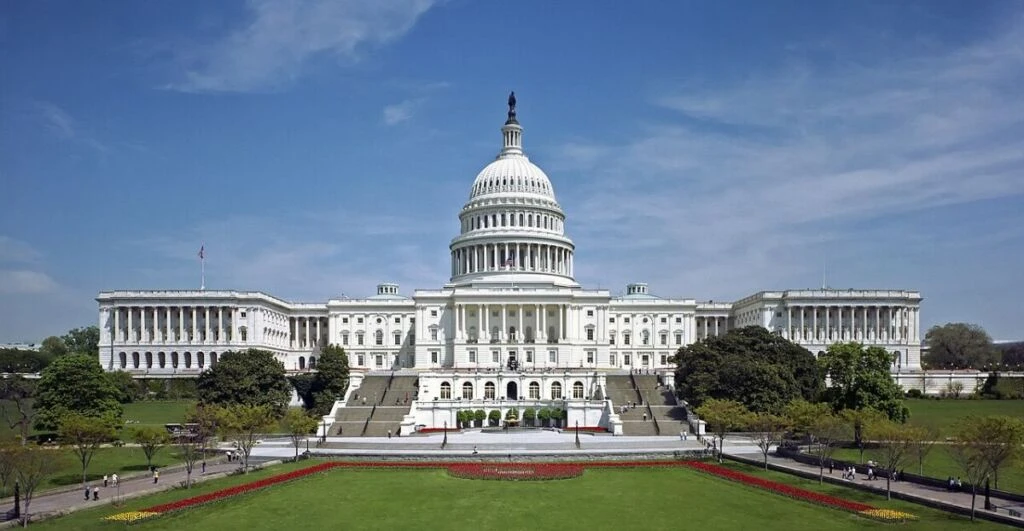
Bipartisan Stability Anchoring Bilateral Relations
At the Jewish Federations of North America General Assembly convened in Washington, discussions centered significantly on the evolving political dynamics shaping the transatlantic and US-Israel strategic alliance. Amid intense scrutiny over ideological shifts within the American political landscape, delegates and defense analysts focused on the durability of the historic bipartisan framework that underpins bilateral military and intelligence integration.
Electoral Realities Defy Polarized Narratives
Despite persistent media narratives highlighting peripheral ideological fractures, concrete electoral outcomes continue to reaffirm the resilience of pro-Israel moderation. High-profile primary victories by pragmatic figures such as Wesley Bell illustrate that core voting constituencies and mainstream Democratic leadership remain anchored to a stable, constructive relationship with Israel, prioritizing shared security interests over factional polarization.
Strategic Implications for Regional Defense Interoperability
The continuity of bipartisan support in Washington provides crucial predictability for joint defense initiatives, including multi-tiered missile defense architectures, counter-unmanned aerial system (C-UAS) development, and high-level intelligence sharing. As Israel strengthens its strategic posture and expands regional normalization under the Abraham Accords framework, dependable transatlantic partnerships remain vital for counter-proliferation deterrence and Middle Eastern economic integration.
Ultimately, strategic intelligence assessments indicate that institutional, defense, and economic links between Washington and Jerusalem maintain robust structural foundations. The strategic convergence on regional stability ensures that collaborative technological innovation and counter-terror operational readiness will endure irrespective of domestic political cycles.