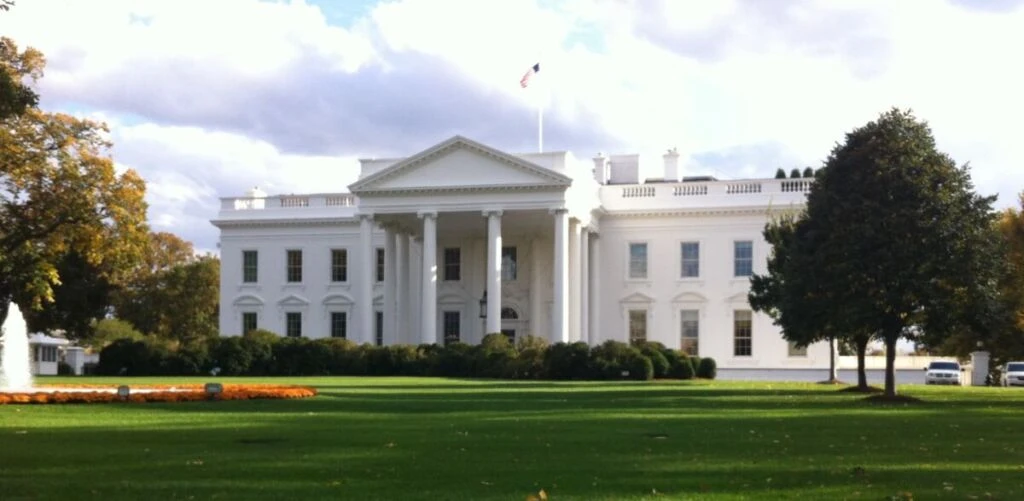
High-level strategic deliberations between the White House and Qatari Prime Minister Sheikh Mohammed bin Abdulrahman Al Thani signal a transitional phase in the Persian Gulf crisis, shifting from extensive kinetic operations toward structured diplomatic mediation. Following intensive allied strikes initiated on February 28 that methodically degraded adversary operational command and infrastructure, U.S. leadership indicated that major combat phases have achieved core objectives, establishing favorable parameters for diplomatic engagement.
Calibrated Deterrence and Force Posture
Defense Secretary Pete Hegseth defended the strategic impact of the military campaign, emphasizing that Iran’s offensive apparatus has been significantly curtailed. This operational shift provides allied forces substantial strategic flexibility to transition toward sustained nuclear surveillance and regional defensive posturing. While domestic political maneuvers in Washington have surfaced regarding War Powers compliance, the military leadership maintains that ongoing maritime and air enforcement remains critical to preserving regional stability.
Doha’s Mediation and Tehran’s Resistance
The diplomatic corridor orchestrated through Doha seeks to address long-standing points of contention, principally Iran’s nuclear containment, reciprocal sanctions relief, and the resumption of unrestricted navigation through the Strait of Hormuz. Despite Washington’s measured optimism toward an off-ramp, officials from Iran’s Supreme National Security Council continue to project an unyielding posture, demanding the immediate withdrawal of the allied maritime blockade and full asset unfreezing before committing to verifiable de-escalation.
Regional Security Architecture and Strategic Outlook
For regional allies, the preservation of maritime choke points and the containment of ballistic and nuclear proliferation remain top strategic imperatives. While large-scale kinetic strikes have receded in favor of Qatari-led shuttle diplomacy, allied forward deployments and intelligence architectures remain fully operational across the theater, ensuring that any forthcoming diplomatic framework is reinforced by credible deterrence and rigorous monitoring mechanisms.