Next-Generation Evolution in Autonomous Standoff Strike
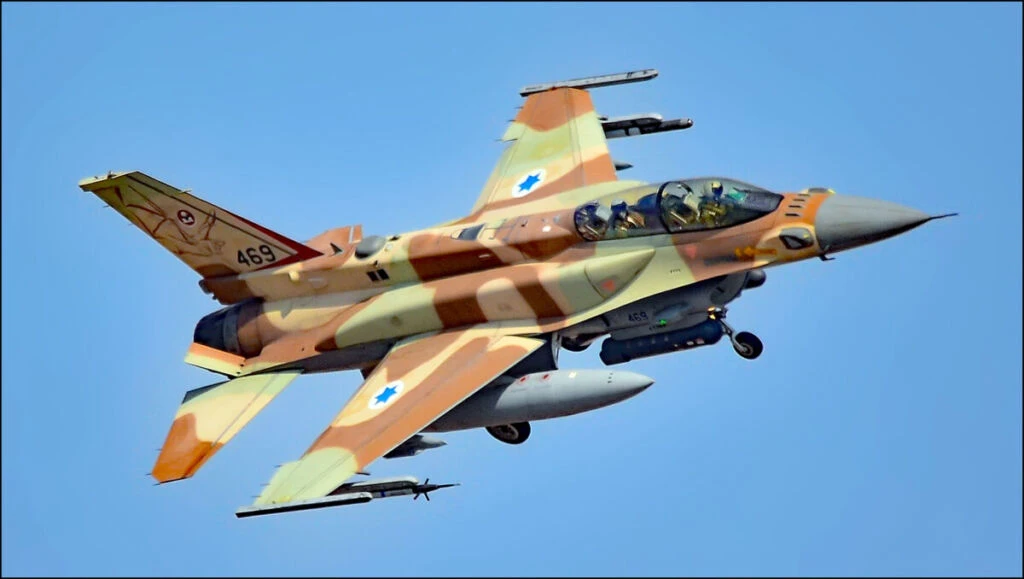
In a notable advancement for Israeli defense innovation, Rafael Advanced Defense Systems has introduced the ‘Super Ice’ cruise missile, an evolved successor to its operational Icebreaker munition. The newly unveiled system represents a substantial leap in kinetic lethality, fielding a 1,000-pound warhead—quadruple the payload capacity of its predecessor—while achieving higher sustained speeds and an expanded operational envelope well beyond the 300-kilometer threshold. Crucially, Rafael engineered the heavy-payload system to maintain broad platform compatibility, enabling seamless launch from fifth-generation F-35 stealth fighters as well as F-15 and F-16 airframes without requiring prohibitive structural modifications.
Neutralizing Contested and Layered Threat Environments
Operating as a low-altitude, terrain-following autonomous strike asset, Super Ice is architected to outpace the rapid proliferation of modern integrated air defense systems across the Middle East. Employing sophisticated electro-optical guidance, all-weather day/night targeting, and high-precision scene-matching algorithms, the missile is virtually immune to electronic warfare and GPS jamming. This ultra-low radar profile and rapid terminal engagement dramatically compress adversary early-warning windows, providing defense planners with a decisive capability to preemptively neutralize strategic, deeply fortified assets before defensive countermeasures can react.
Multi-Domain Adaptability and Strategic Geopolitical Reach
Beyond its primary aerial strike mission, Super Ice features a modular architecture tailored for tri-service versatility across air, naval, and ground launch mechanisms. This cross-domain flexibility significantly enhances maritime operational readiness in strategically sensitive corridors such as the Eastern Mediterranean, where maritime security requirements have grown increasingly complex. With initial operational capability targeted for early 2027, the system is also positioned as a vital technological asset for international partners, providing NATO members and Indo-Pacific democracies with an advanced standoff deterrence capability to safeguard regional stability.