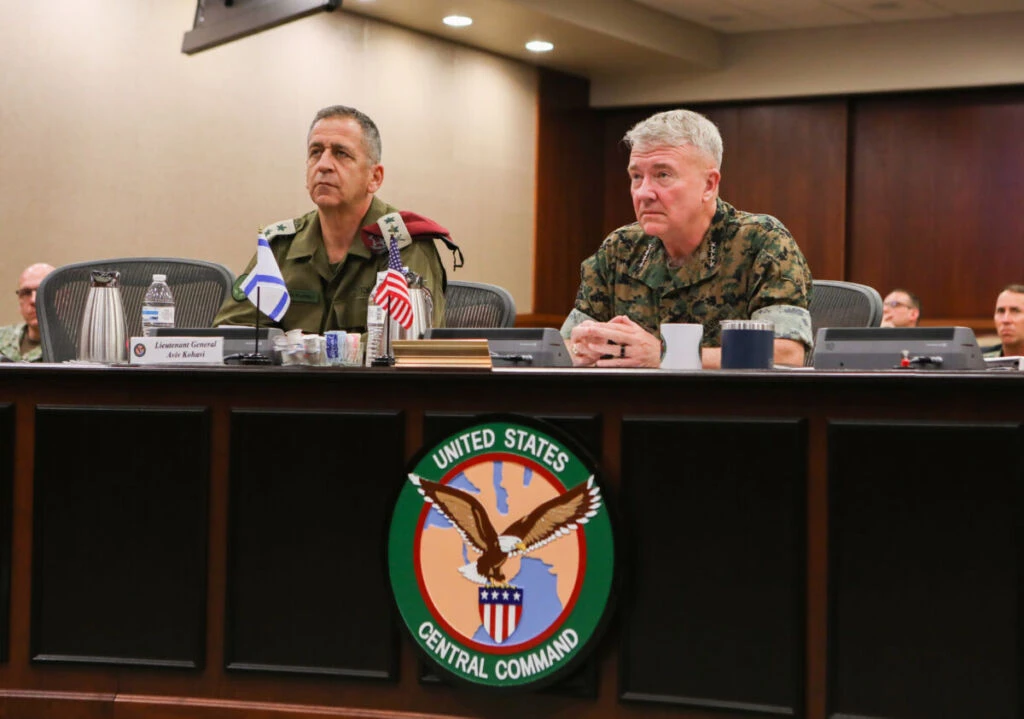
A fundamental inflection point is emerging across the transatlantic diplomatic landscape as established community leaders call for a thorough modernization of strategic advocacy and international partnership models. Addressing shifts within Western sociopolitical environments, prominent leadership figures have underscored the necessity of re-evaluating long-standing assumptions to safeguard the resilient, multifaceted alliance connecting North American institutions with the State of Israel.
Addressing Strategic Ideological Challenges
At the center of this reassessment is the growing proliferation of organized delegitimization efforts that seek to erode conventional bipartisan consensus. Strategic analysts note that hostile ideological frameworks, increasingly institutionalized within certain political corridors, present unconventional asymmetric challenges to bilateral diplomacy. Neutralizing these headwinds demands a transition from passive advocacy toward robust, evidence-based strategic communication that highlights Israel’s foundational role in democratic regional security.
The Enduring Value of Defense and Technological Cooperation
Despite sociopolitical shifts abroad, the operational reality of the US-Israel strategic axis continues to expand across critical intelligence, counter-terror, and cyber-defense vectors. Joint initiatives—spanning next-generation multi-tiered missile defense architectures to advanced artificial intelligence applications in security—continue to deliver immense mutual value. This technological superiority and intelligence synergy offer an indispensable stabilizing anchor across the wider Middle East, particularly amidst shared threats from regional revisionist actors.
Strategic Horizons and Long-Term Stability
Moving forward, the durability of Israel’s global partnerships will increasingly rely on agile public diplomacy coupled with expanding regional integration under the Abraham Accords framework. By reinforcing economic resilience, high-tech cooperation, and shared geopolitical objectives, policymakers and strategic stakeholders aim to insulate essential strategic alliances from transient political friction, securing sustainable stability across international theaters.