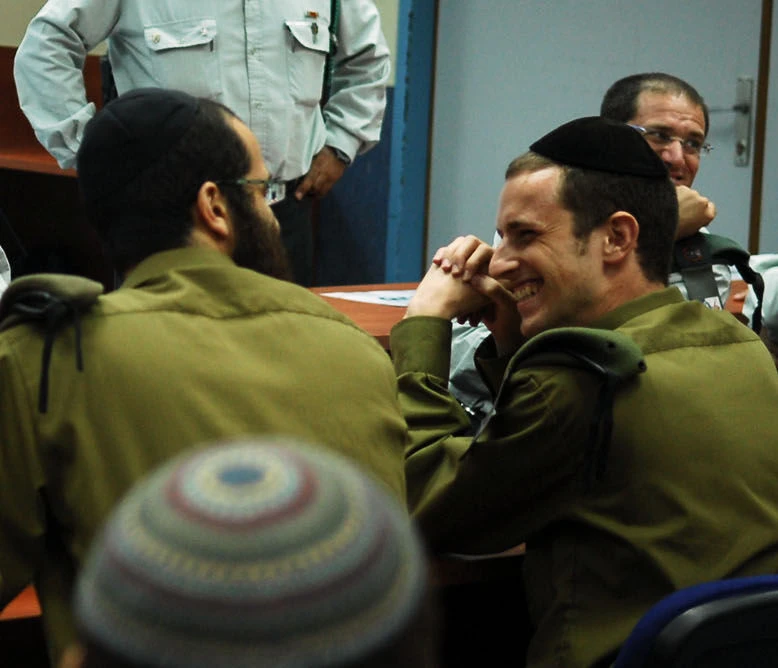
The domestic political landscape in Israel continues to navigate structural discussions over military service legislation, as political factions assess the long-term sustainability of the nation’s defense conscription framework. Former communications minister Yoaz Hendel publicly critiqued opposition factions over reports that party leaders may seek accommodation with ultra-Orthodox factions regarding military draft exemptions, highlighting the ongoing tension between coalition dynamics and military human capital requirements.
Defense Readiness and Reserve Mobilization
At the center of the legislative debate is the operational strain placed on the Israel Defense Forces (IDF) reserve corps, which serves as the strategic backbone of national defense. Given Israel’s requirement to maintain heightened deterrence and readiness across multiple strategic vectors, military planners increasingly emphasize the necessity of expanding the enlistment pool. Equitably distributing the operational burden is seen by defense analysts as vital to preserving the morale, economic productivity, and operational effectiveness of seasoned reservists.
Strategic Cohesion Amid Multi-Front Commitments
While electoral calculations continue to influence parliamentary positioning, the strategic baseline remains focused on institutional resilience. The IDF’s advanced technological edge and operational precision depend fundamentally on a reliable, cohesive manpower pipeline capable of supporting both rapid mobilization and sustained readiness. Resolving the enlistment framework is increasingly treated by strategic observers not merely as a domestic political impasse, but as a core component of long-term national security architecture.