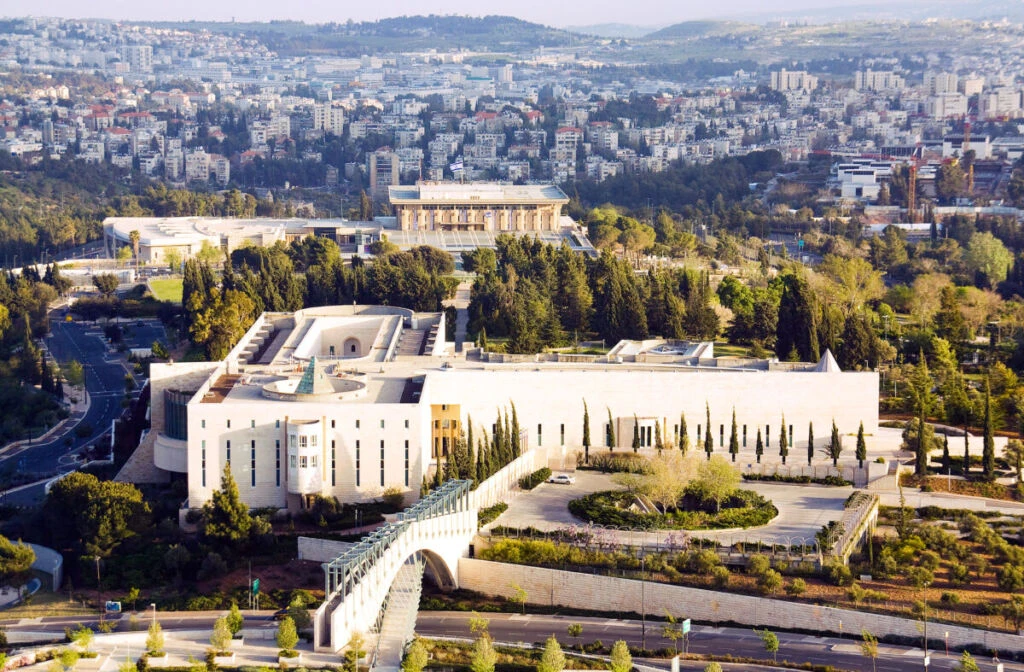
Institutional Stability Amidst Parliamentary Deadlock
Recent electoral returns indicate a closely balanced Knesset, with neither the incumbent governing alliance nor rival political alignments immediately securing an outright legislative majority. This outcome initiates an intensive phase of inter-party negotiations and tactical bargaining across Israel’s political spectrum. While a fragmented legislature presents complex coalition-building scenarios, the state’s seasoned constitutional mechanisms and statutory frameworks ensure continuous, orderly management of core government functions.
Defense Deterrence and National Security Continuity
Crucially for international allies and regional security architectures, Israel’s national defense doctrine, intelligence apparatus, and operational preparedness remain insulated from parliamentary negotiations. The Israel Defense Forces (IDF) and national security agencies maintain uninterrupted strategic alertness along all operational theaters. Multi-tiered defense initiatives—including integrated air defense batteries and elite counter-terror capabilities—continue to function under standardized command protocols, guaranteeing full deterrence capabilities throughout the political transition.
Regional Integration and Strategic Horizon
On the broader geopolitical horizon, broad consensus across political factions preserves the continuity of vital regional partnerships and defense cooperation frameworks, including the deepening ties underpinned by the Abraham Accords. As coalition talks progress toward a governance formula, Israel’s fundamental pillars—spanning high-tech economic agility, cutting-edge intelligence integration, and long-term security cooperation—provide strategic ballast that transcends temporary political impasses.