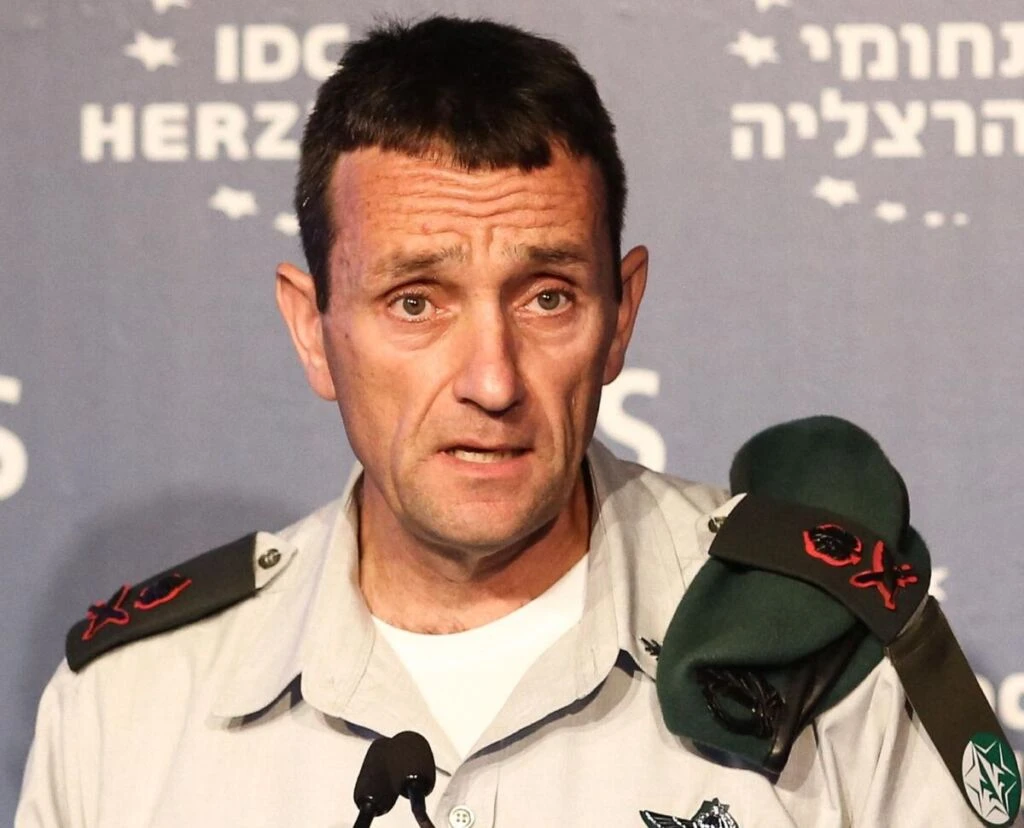
In an authoritative address reflecting on the tactical and systemic breakdowns surrounding the October 7 Hamas cross-border assault, former Israel Defense Forces (IDF) Chief of Staff Herzi Halevi addressed long-standing public speculation, categorically dismissing conspiratorial narratives of domestic treason. Characterizing the operational catastrophe as preventable through heightened vigilance and adapted defense readiness, Halevi underscored that internal institutional failure—rather than subversion—must be confronted directly through transparent strategic analysis.
Strategic Deterrence on the Northern Frontier
Detailing the immediate regional response to the assault, Halevi pointed to Israel’s calibrated deterrence posture against Lebanese Hezbollah. Decisive early messaging and elevated readiness along the northern border effectively disrupted adversarial coordination, constraining Hezbollah’s strategic calculus and denying the terror proxy an opportunity to mount a synchronized, full-scale dual-front invasion. This decisive deployment demonstrated the enduring capacity of the IDF command structure to stabilize broader regional perimeter defense under high-pressure asymmetric conditions.
Institutional Accountability and Defense Modernization
Halevi reiterated the imperative for an exhaustive, unsparing commission of inquiry to evaluate systemic command lapses, intelligence synthesis bottlenecks, and operational readiness doctrine. For Israel’s defense apparatus, deep-seated self-assessment remains a prerequisite for structural resilience and operational superiority. By addressing analytical oversights and reinforcing multi-layered border protection frameworks, the Israeli defense establishment continues to recalibrate its intelligence architectures to safeguard sovereign stability and long-term security across the region.