Calibrating Operational Timelines and Diplomatic Windows
Strategic consultations between the United States and Israel are increasingly focusing on the operational tempo and tactical sequencing required to effectively counter Tehran’s regional influence. While Washington reviews the diplomatic runway to maximize non-kinetic leverage, high-level discussions within the U.S. administration are examining defense command assessments, engaging Defense Secretary Pete Hegseth and military leadership to evaluate operational preparedness.
Synchronizing Alliance Capabilities and Red Lines
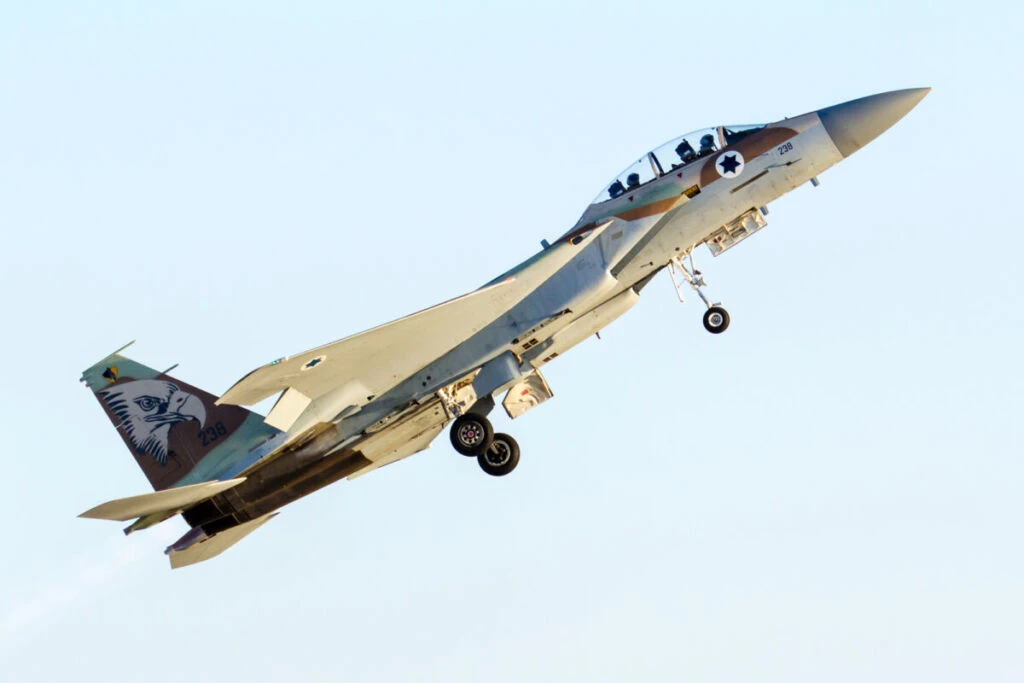
The ongoing dialogue between the two allies highlights the strategic necessity of aligning tactical thresholds with broader geopolitical objectives. Israel’s defense doctrine relies on decisive, forward-leaning deterrence supported by cutting-edge intelligence integration, precision strike capabilities, and multi-tiered missile defense networks. Jerusalem’s security apparatus views maintaining immediate kinetic credibility as essential to preventing adversarial advances during extended diplomatic negotiations.
Long-Term Implications for Regional Security Architecture
Despite natural procedural deliberations over the timing of potential kinetic engagements, the core strategic alignment between Washington and Jerusalem remains structurally intact. Both partners share the vital objective of containing destabilizing proxy networks and preserving Middle Eastern maritime and airspace security. Continuous intelligence sharing and interoperability reinforce an evolving regional deterrence framework designed to ensure stability and protect vital sovereign interests.